Caritas Pakistan Strengthens Education, Organizational Development, and Disaster Preparedness Through National Coordination Meetings
-
by
Faeq Rashid
 Faeq Rashid
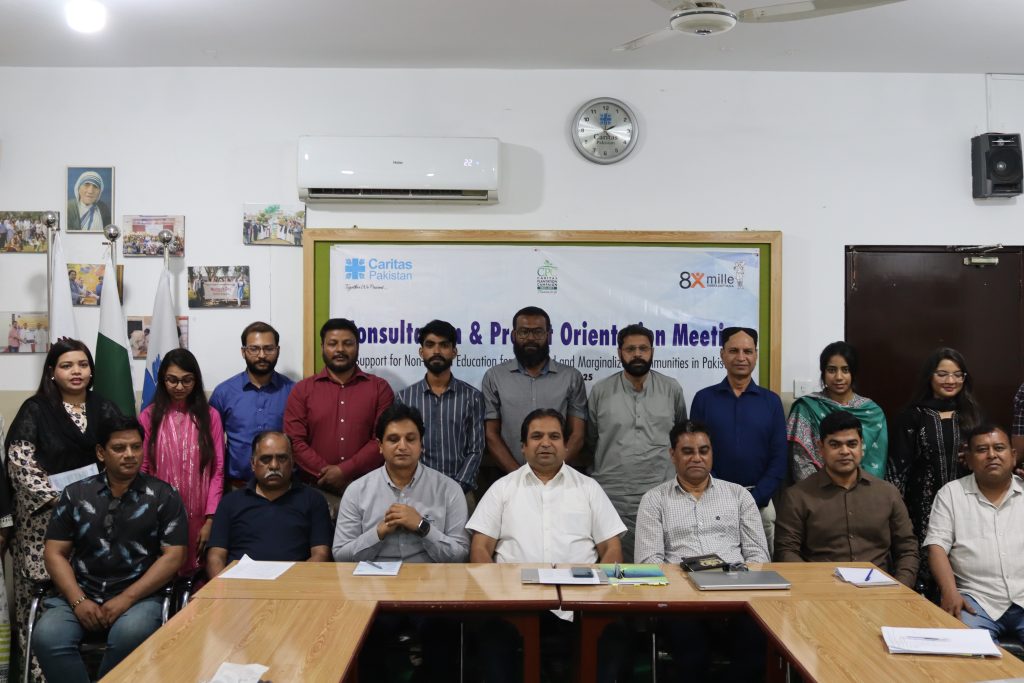
- Support for Non-Formal Education for Neglected and Marginalized Communities in Pakistan.
Consultation & Project Orientation Meeting
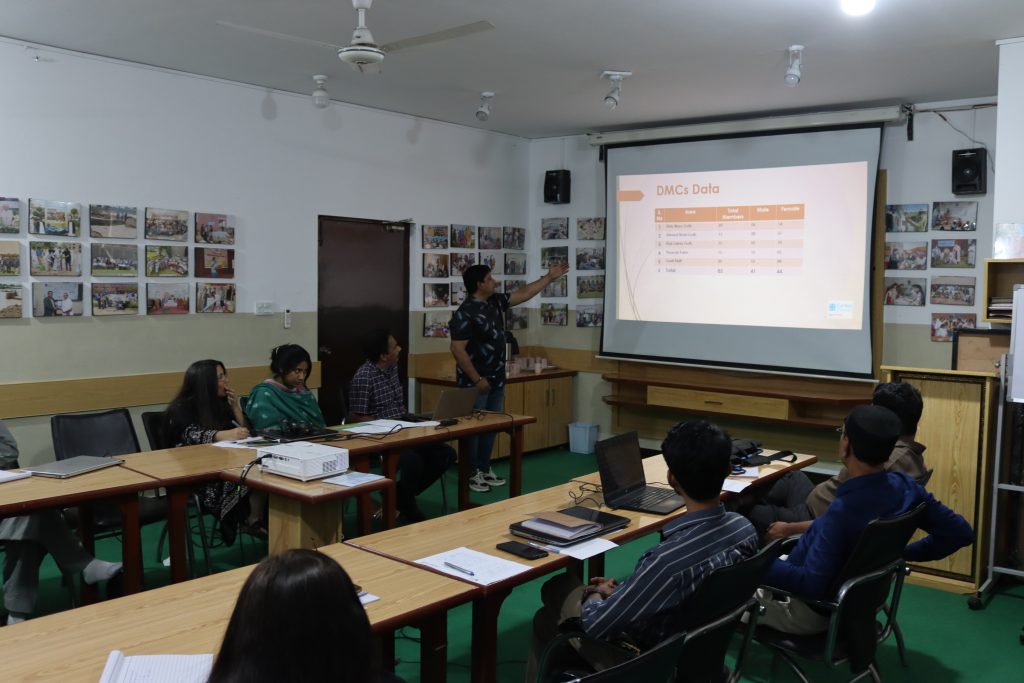
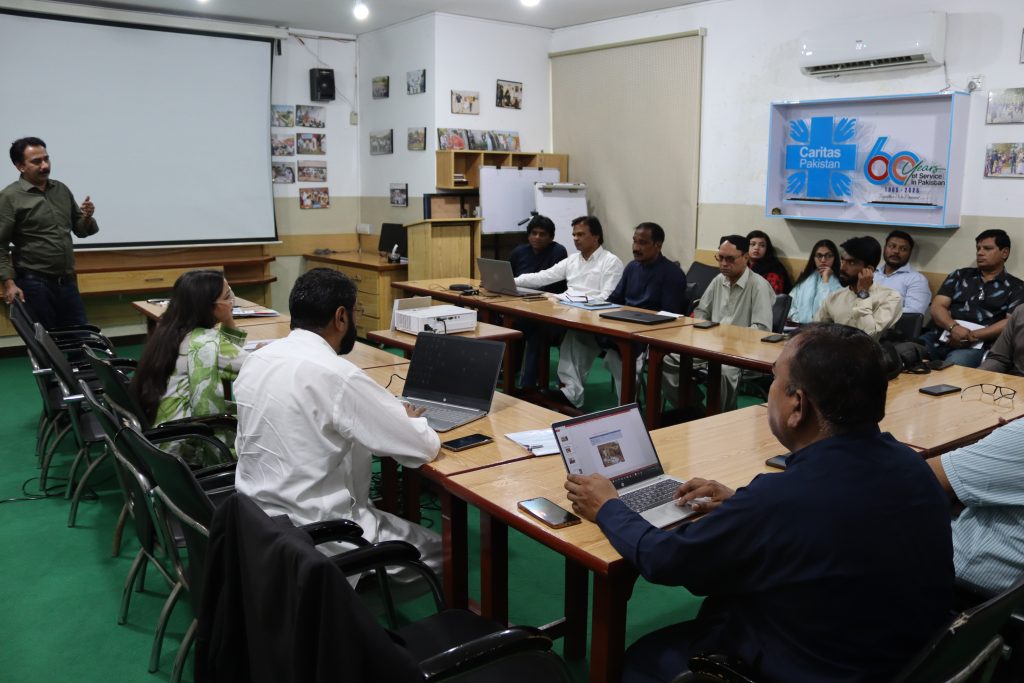
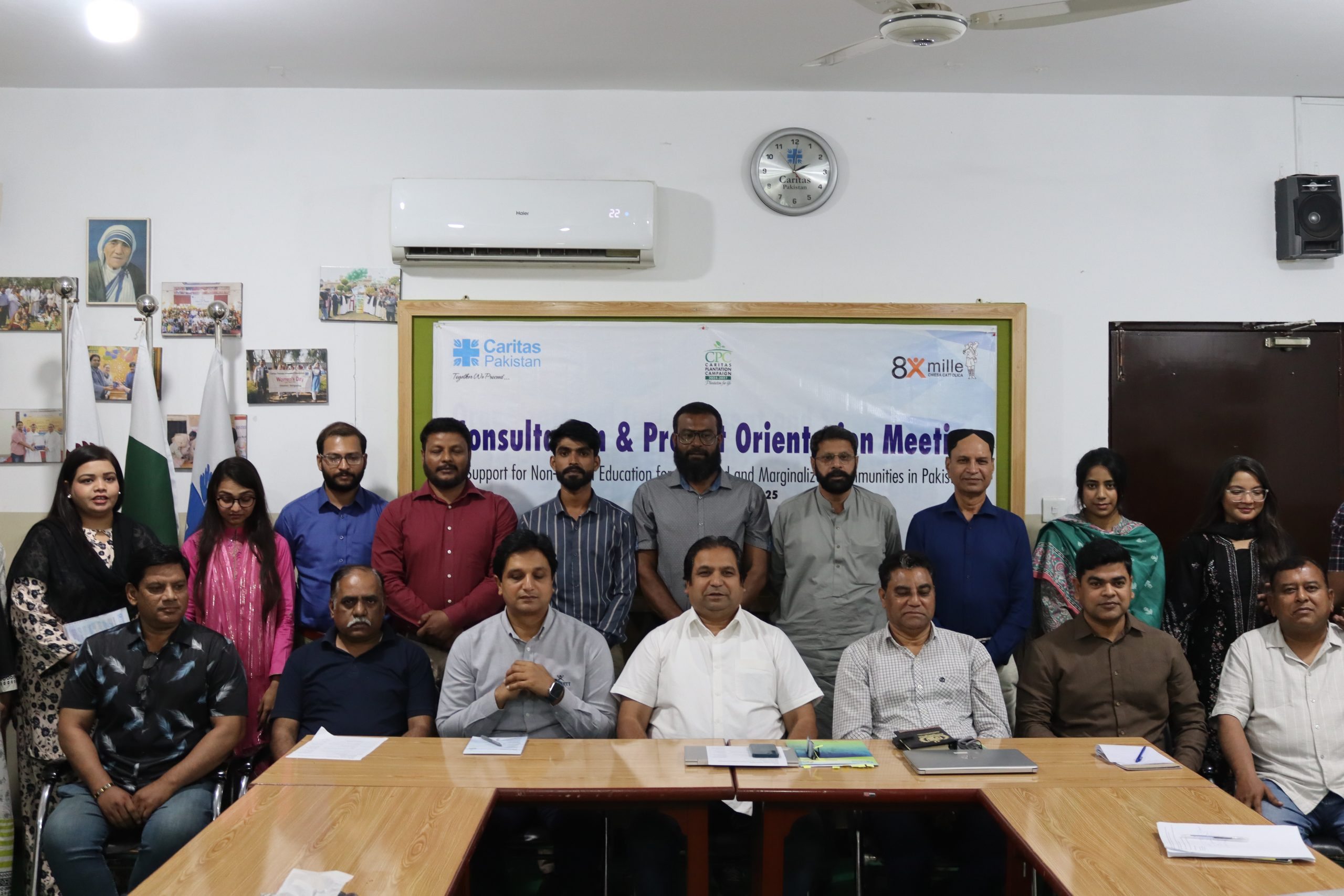
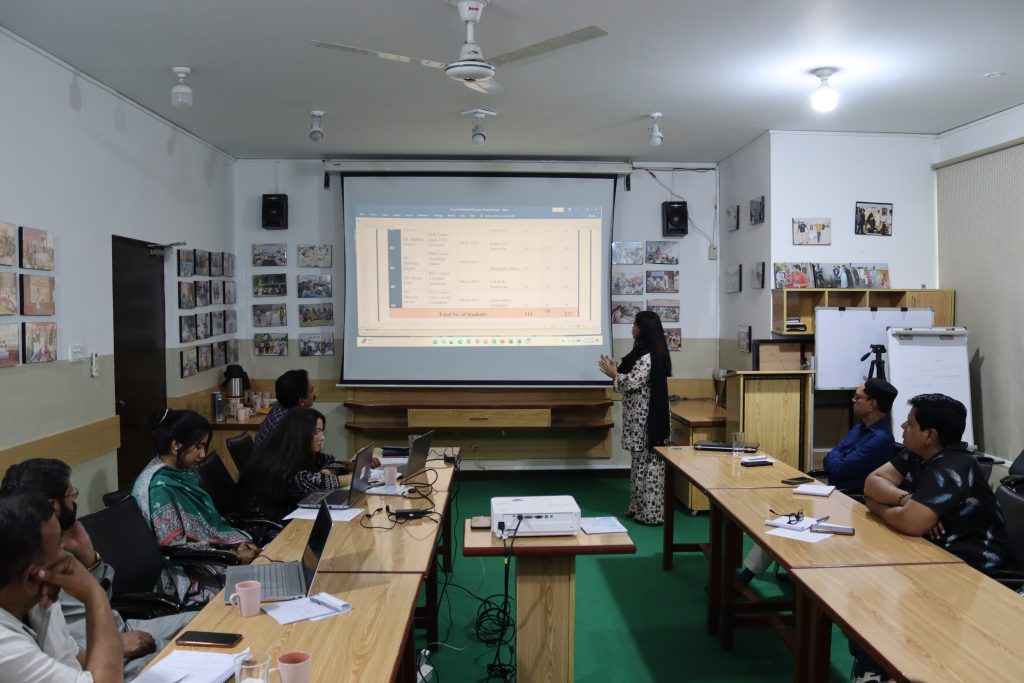
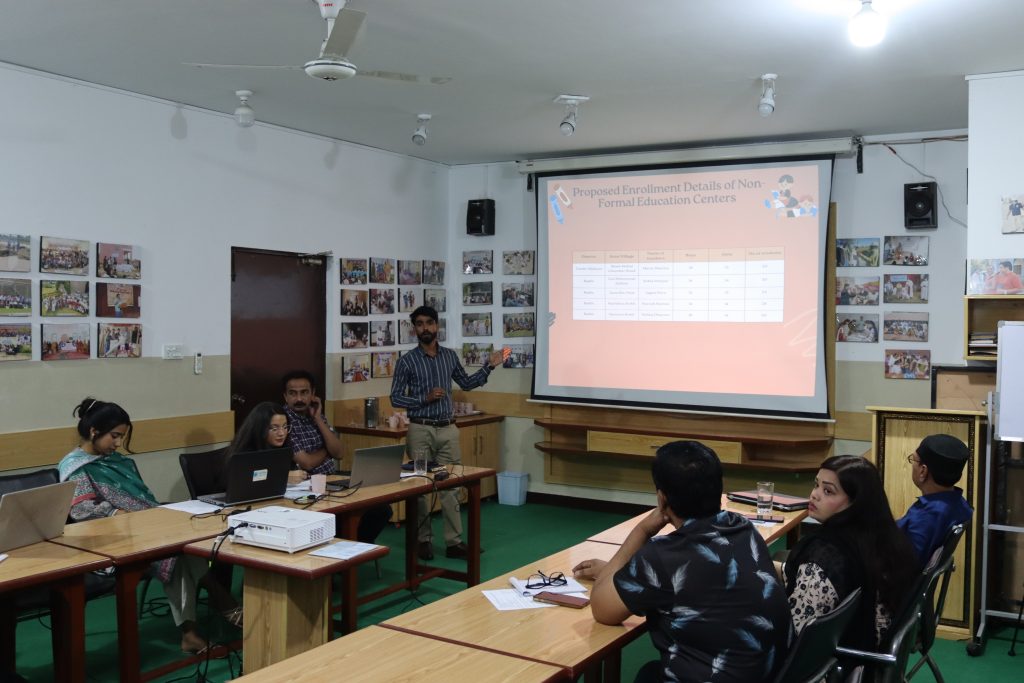
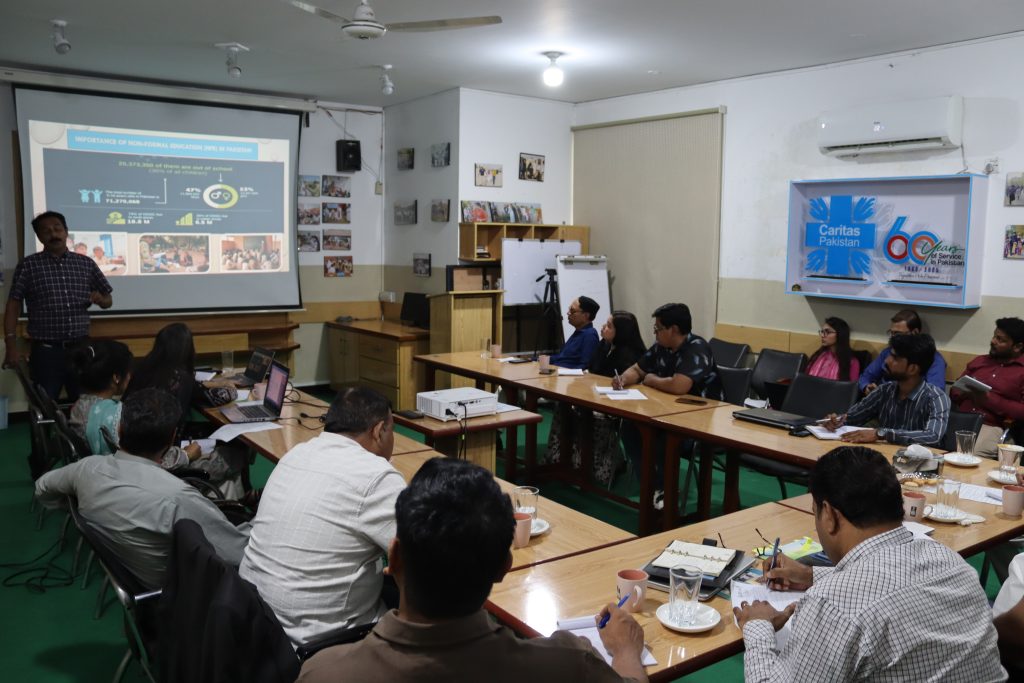
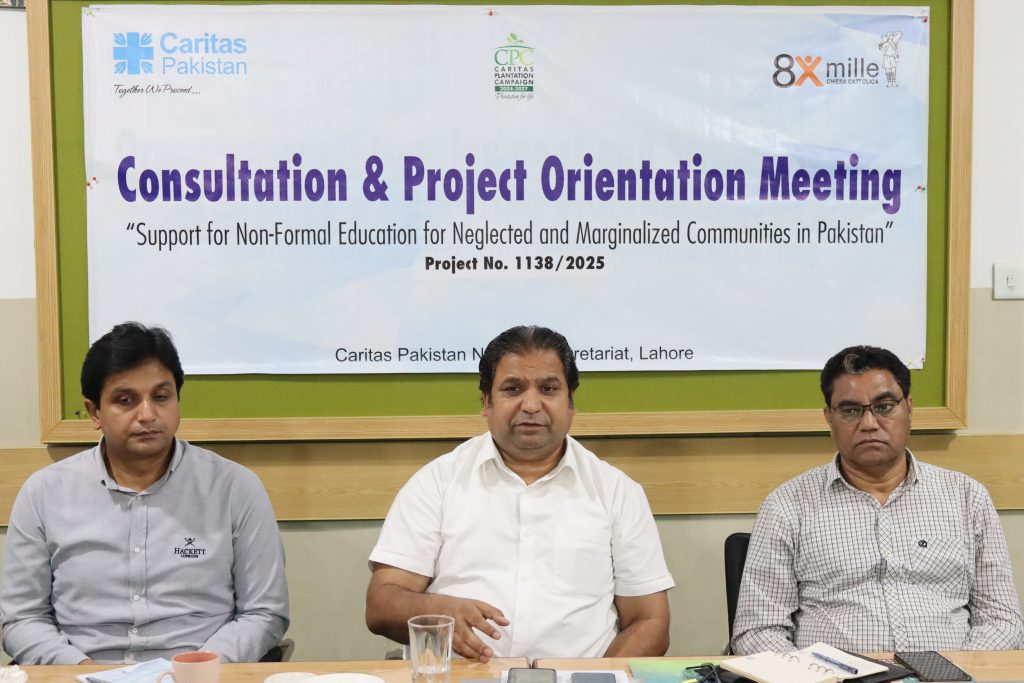
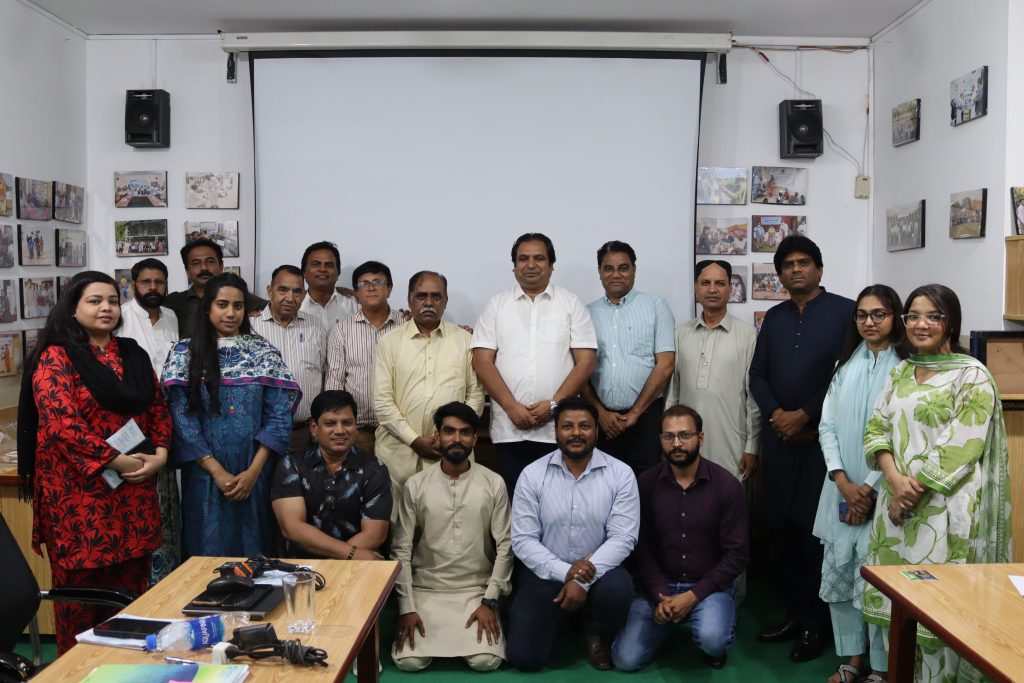
Caritas Pakistan National Secretariat (CPNS) organized a coordination and planning meeting under Project No. 1138/2025 to review the progress of ongoing Non-Formal Education (NFE) interventions implemented through diocesan units across the country. The meeting focused on key project components, including project objectives, diocesan implementation progress, monitoring and evaluation frameworks, reporting mechanisms, geographical coverage, target communities, and staff engagement processes. Participants shared updates on field-level activities and discussed operational challenges, particularly in reaching marginalized and hard-to-reach children. A major focus of the discussion was Pakistan’s ongoing education crisis. According to recent estimates, approximately 25.1 million children aged 5–16 remain out of school, placing Pakistan among the countries with the highest number of out-of-school children globally. This alarming situation reinforced the importance of strengthening Non-Formal Education centers as an alternative pathway for children who are unable to access formal schooling. Participants emphasized improving the quality and reach of NFE centers to ensure inclusive and equitable learning opportunities for vulnerable children.
- Organizational Development and Strengthening of Standard Operating Procedure (SOPs)
Consultation & Review Coordination Meeting
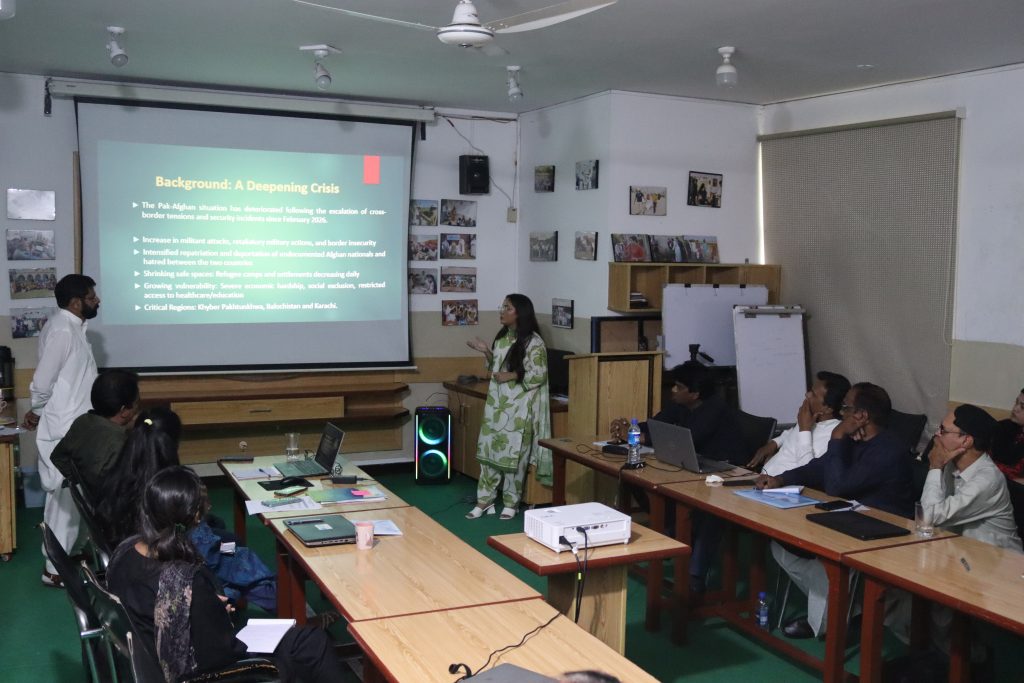
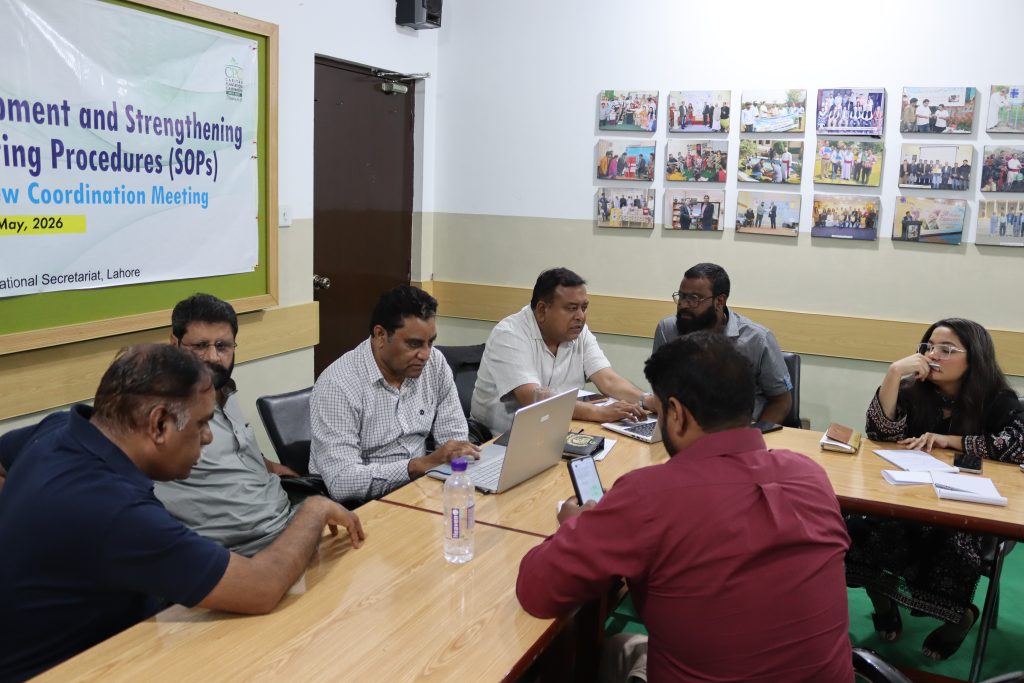
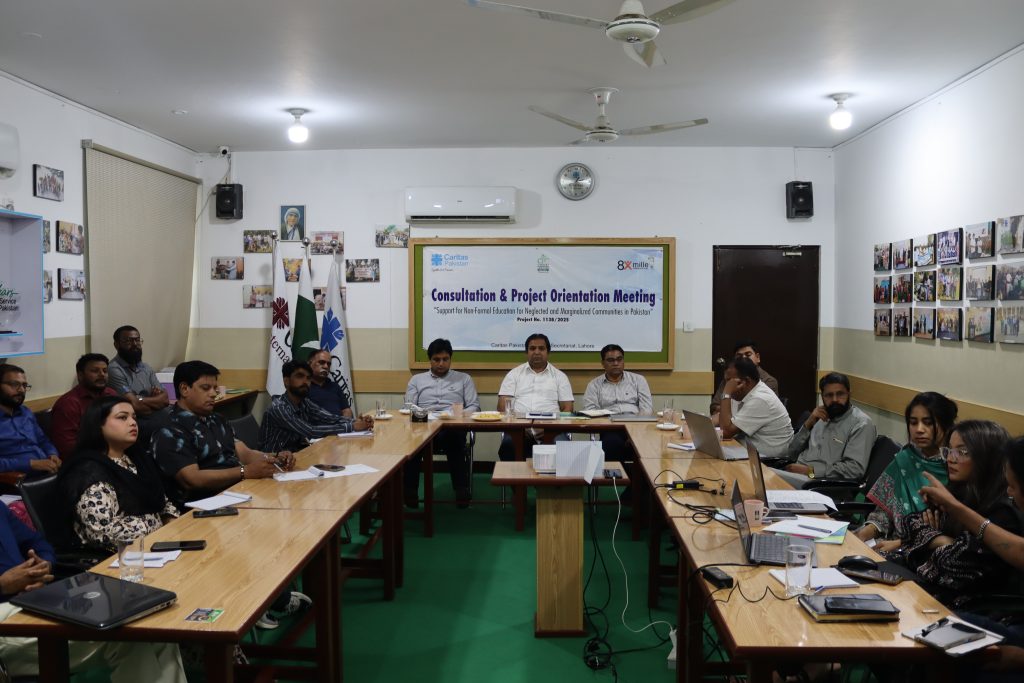
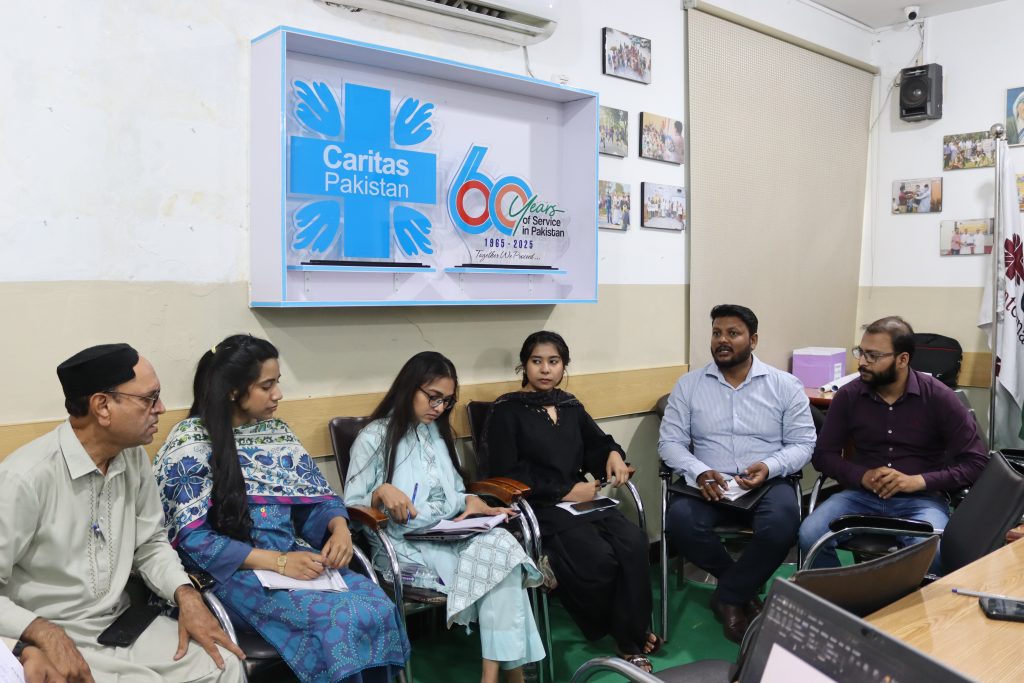
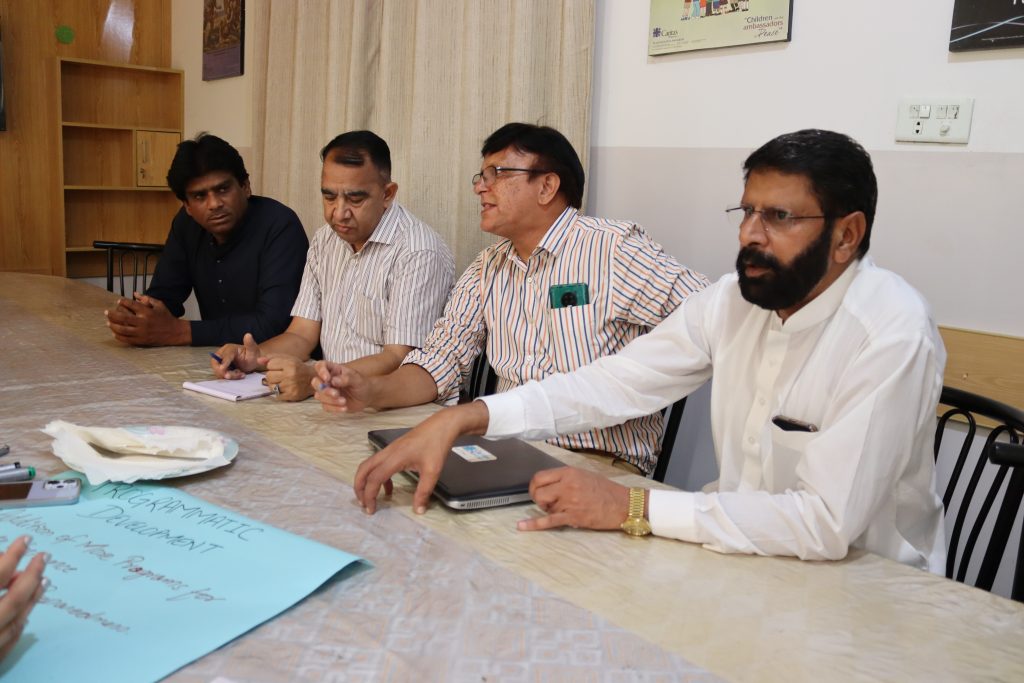
Caritas Pakistan National Secretariat organized an Organizational Development Meeting with diocesan representatives aimed at strengthening institutional systems, governance structures, and operational efficiency across the network. Key areas of discussion included the revision and strengthening of Standard Operating Procedures (SOPs), policy development, enhancement of data management systems, improvement of registration processes, and establishment of structured mechanisms for staff feedback and recommendations. Participants exchanged perspectives on improving accountability, transparency, and evidence-based decision-making to ensure more effective service delivery at both diocesan and national levels. The importance of strong institutional systems was highlighted in order to better respond to the growing social and educational challenges faced by marginalized communities across Pakistan.
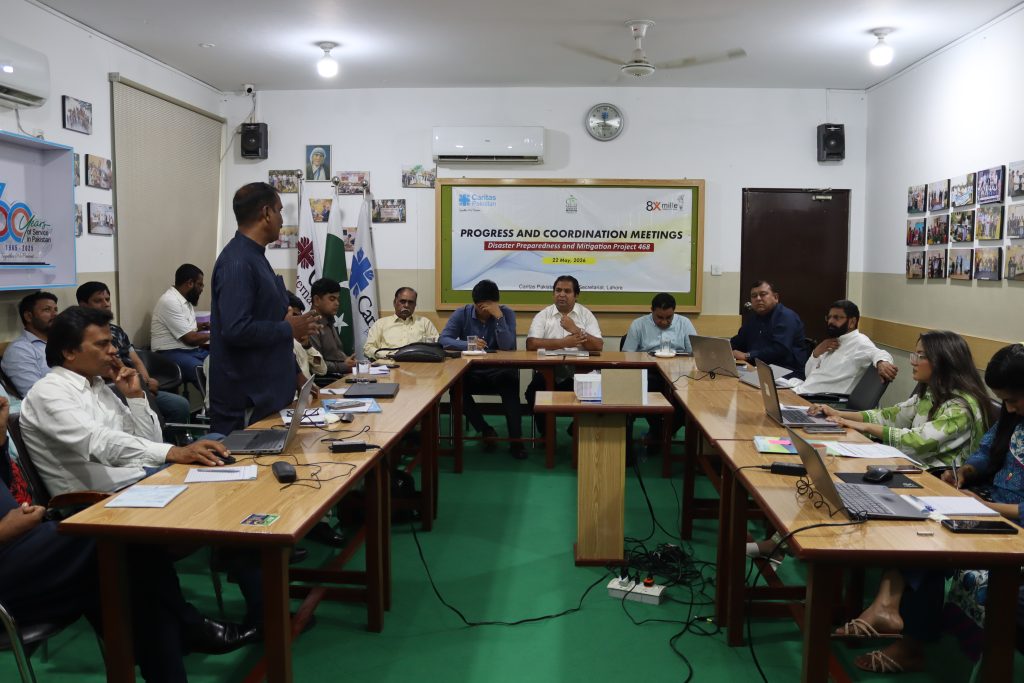
- Monsoon Contingency Planning & DRR Project 468-2025 Meeting
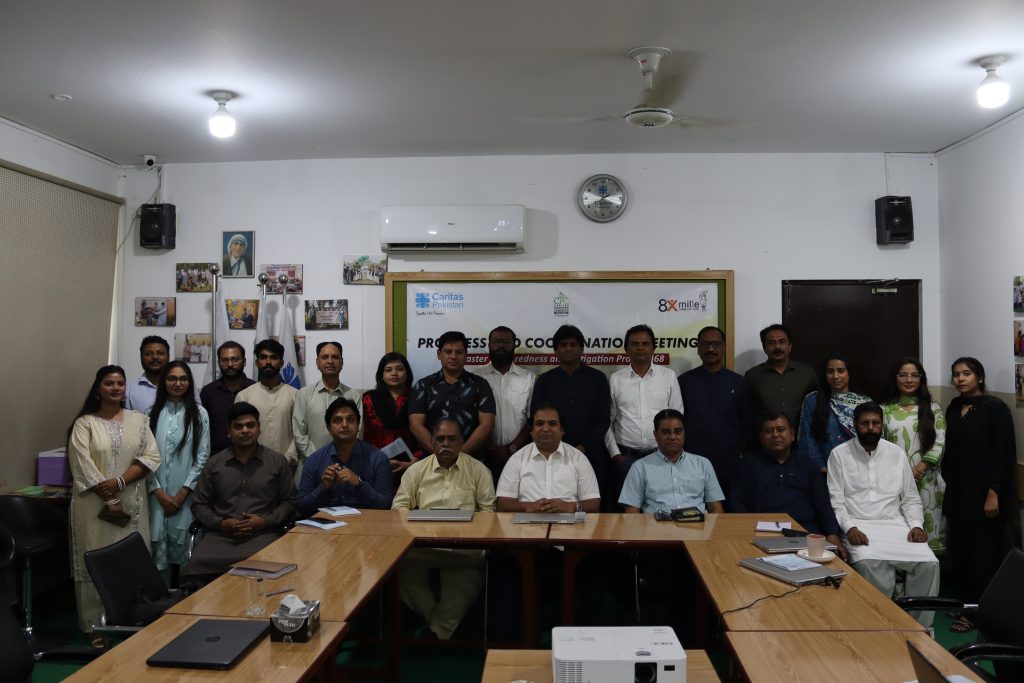
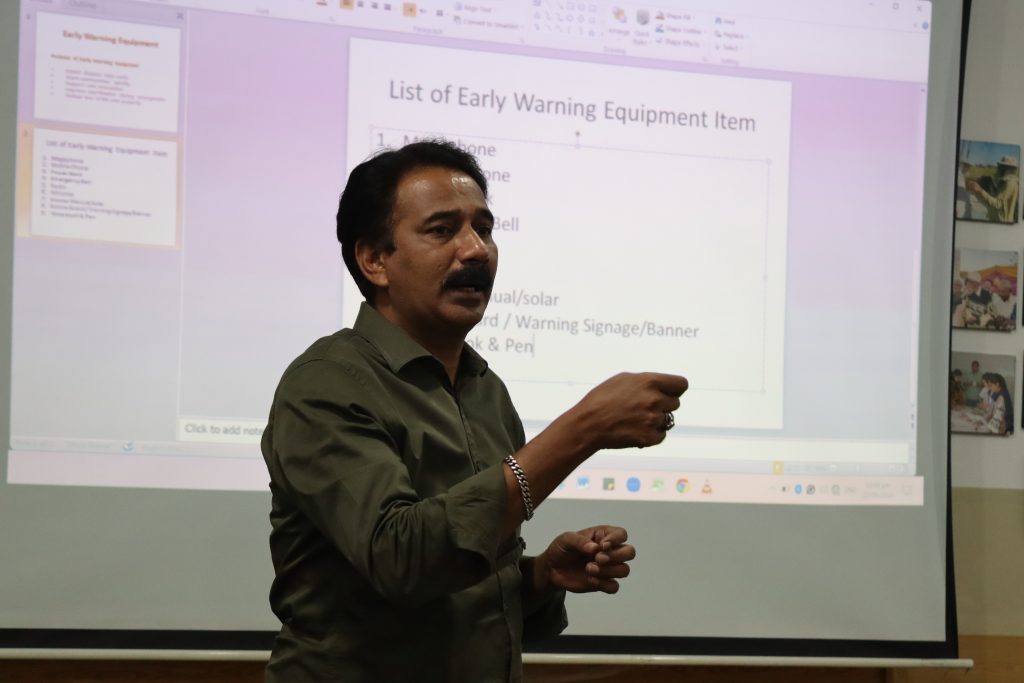
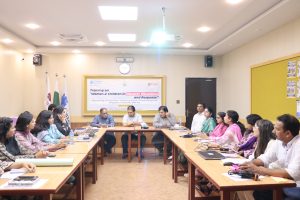
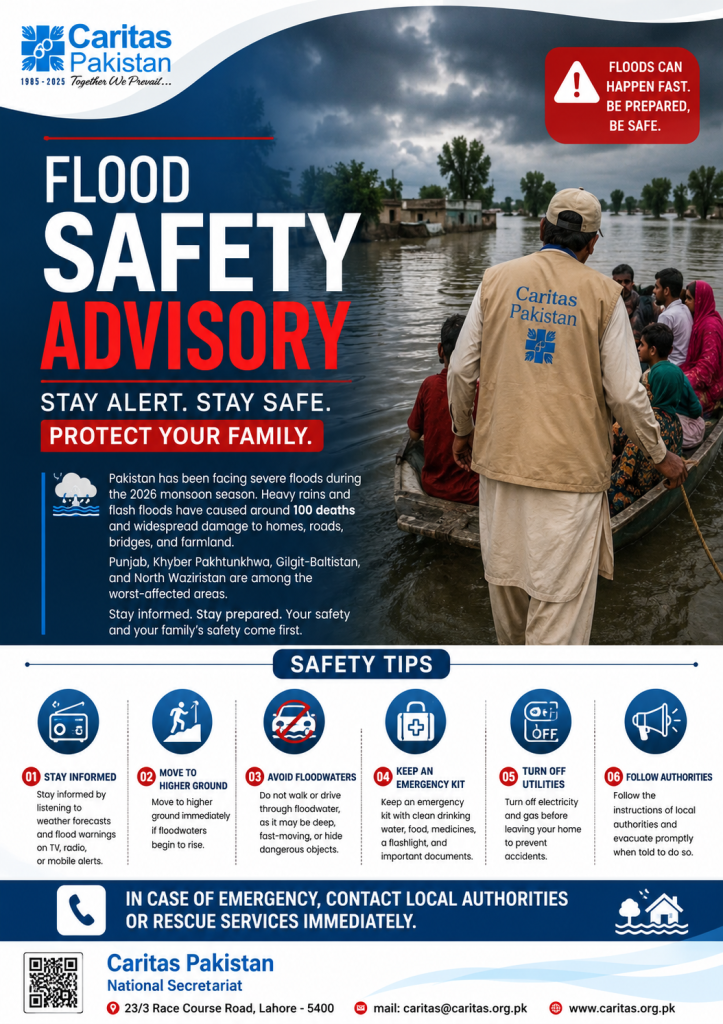
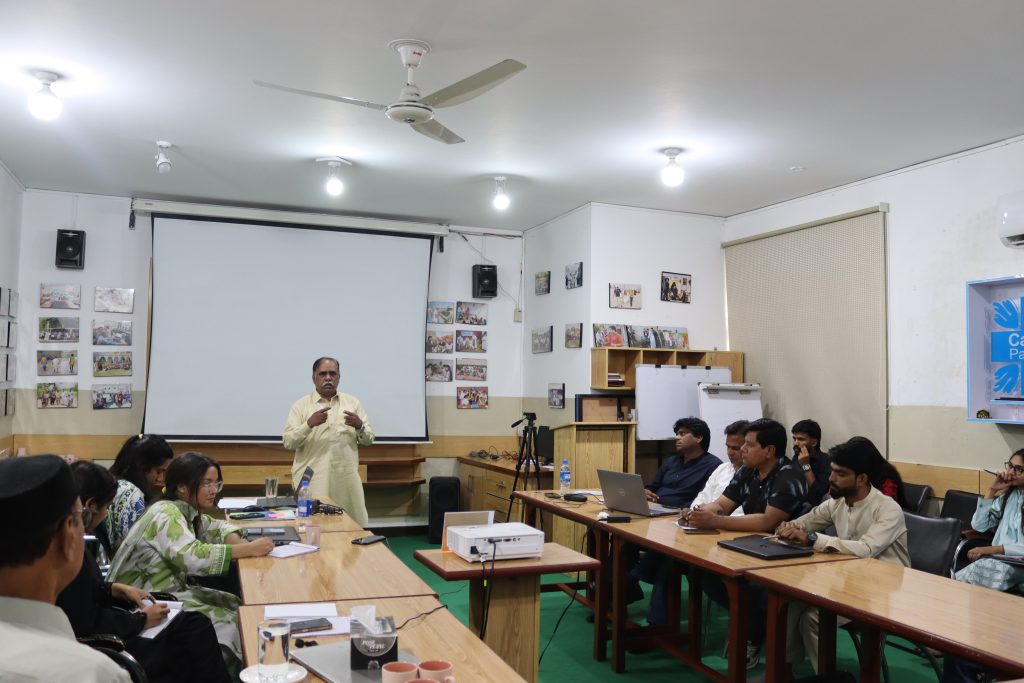
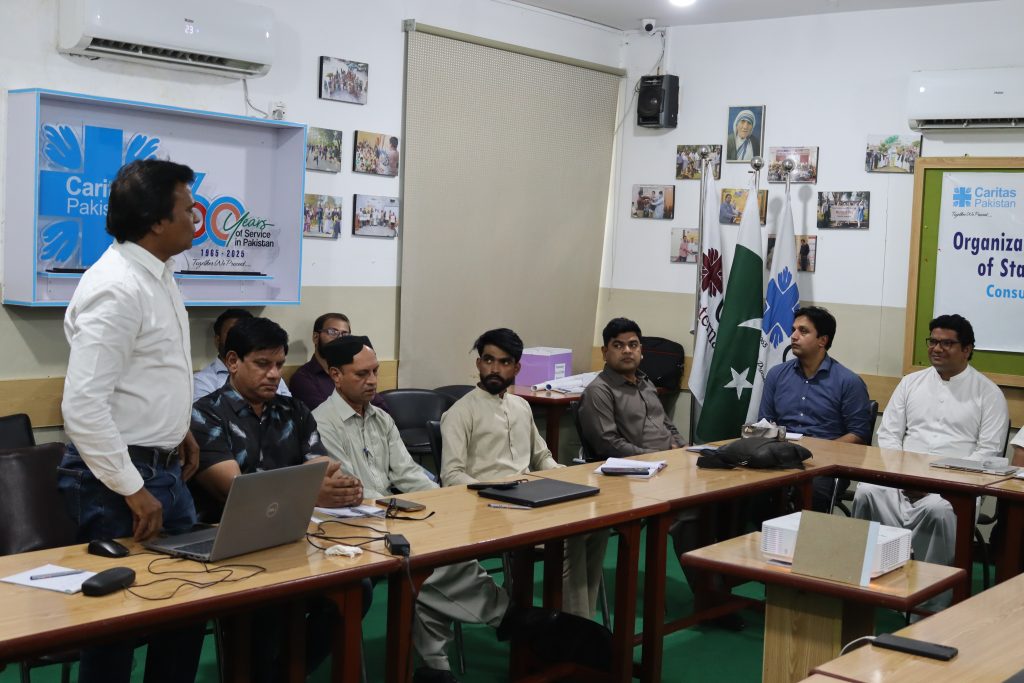
Caritas Pakistan National Secretariat facilitated a Monsoon Contingency Planning and Disaster Risk Reduction (DRR) meeting to strengthen preparedness of diocesan units ahead of the upcoming monsoon season and recurring flood emergencies in Pakistan. The meeting reviewed the 2026 monsoon outlook, identified emerging flood risks, and assessed the preparedness status of diocesan contingency plans along with ongoing disaster risk reduction initiatives. Participants shared localized risk assessments from flood-prone areas and discussed coordination mechanisms to ensure timely and effective response during emergencies. It was highlighted during the discussion that monsoon floods are a recurring annual disaster in Pakistan, with almost every year bringing severe rainfall, river overflows, flash floods, and urban flooding in different regions of the country. These repeated events continue to affect millions of people, damaging homes, infrastructure, agricultural land, and educational institutions. Participants emphasized that this recurring cycle of flooding requires long-term preparedness rather than only emergency response, as communities especially vulnerable groups and children face repeated disruptions in education, livelihoods, and daily life. The meeting stressed the importance of early warning systems, community awareness, pre-positioning of relief supplies, and coordinated response structures to reduce risks and strengthen resilience at the community level.