Pakistan Faces Rising Flood and Heatwave Threats in 2026
-
by
Faeq Rashid
 Faeq Rashid
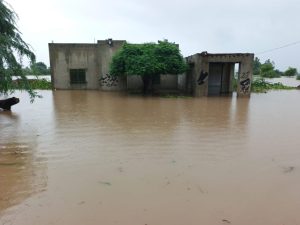
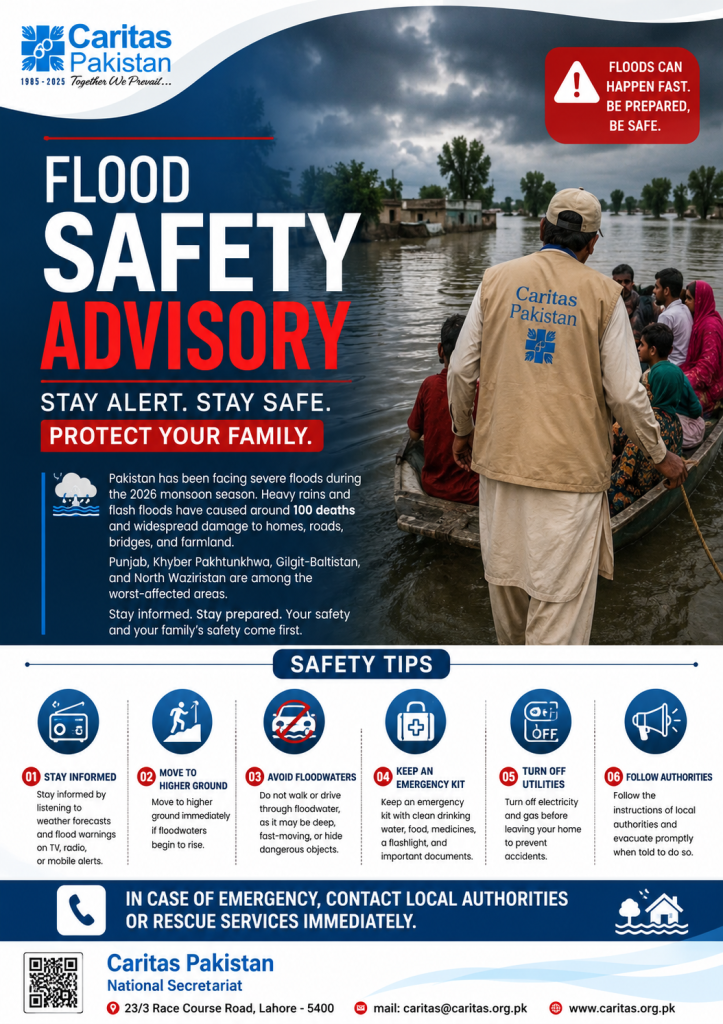
Pakistan is once again confronting the growing realities of climate change as extreme heatwaves and increasing flood risks threaten communities across the country. Recent warnings issued by the National Disaster Management Authority (NDMA) and humanitarian organizations highlight a dangerous combination of rising temperatures, accelerated glacier melt, and the possibility of heavy rainfall that could trigger flash floods and Glacial Lake Outburst Floods (GLOFs) in northern regions. Temperatures across many parts of Pakistan have reached exceptionally high levels in recent weeks, placing millions of people at risk of heat-related illnesses. Southern Punjab, Sindh, and Balochistan remain particularly vulnerable to prolonged heatwave conditions, while northern mountainous regions are experiencing rapid glacier melting due to above-normal temperatures. Northern Pakistan, particularly Gilgit-Baltistan and Khyber Pakhtunkhwa, remains under elevated risk of Glacial Lake Outburst Floods (GLOFs). According to recent assessments, prolonged above-normal temperatures combined with rainfall and thunderstorms are accelerating glacier melt and increasing the likelihood of sudden flash floods in mountain valleys. More than 7 million people in vulnerable northern regions are exposed to potential impacts.
The NDMA has warned that from June 7–12, intense heat is expected in southern Punjab, Sindh, and Balochistan, while northern and hilly areas may experience rain, thunderstorms, landslides, and flash flooding. Authorities have advised communities living near rivers, streams, and glacier-fed valleys to remain alert and follow official warnings.
Key Risks
- Extreme heatwave conditions across southern and central Pakistan.
- Increased risk of GLOFs in Gilgit-Baltistan and Khyber Pakhtunkhwa.
- Flash floods, landslides, and debris flow in mountainous areas.
- Localized urban flooding during thunderstorms.
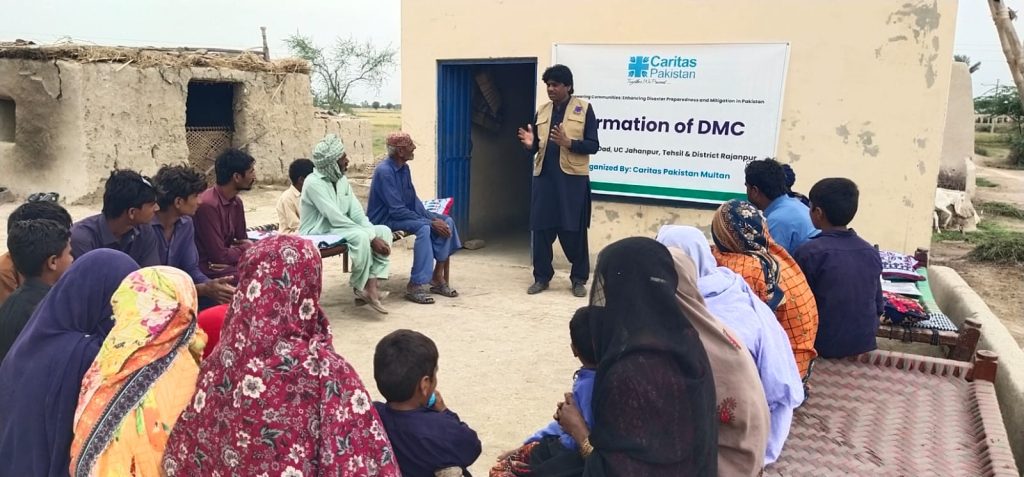
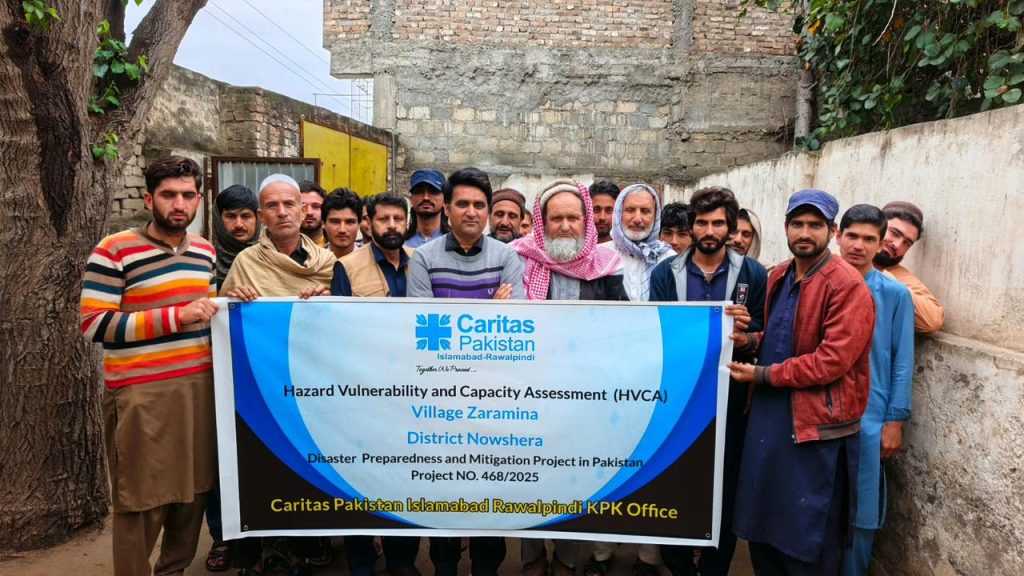
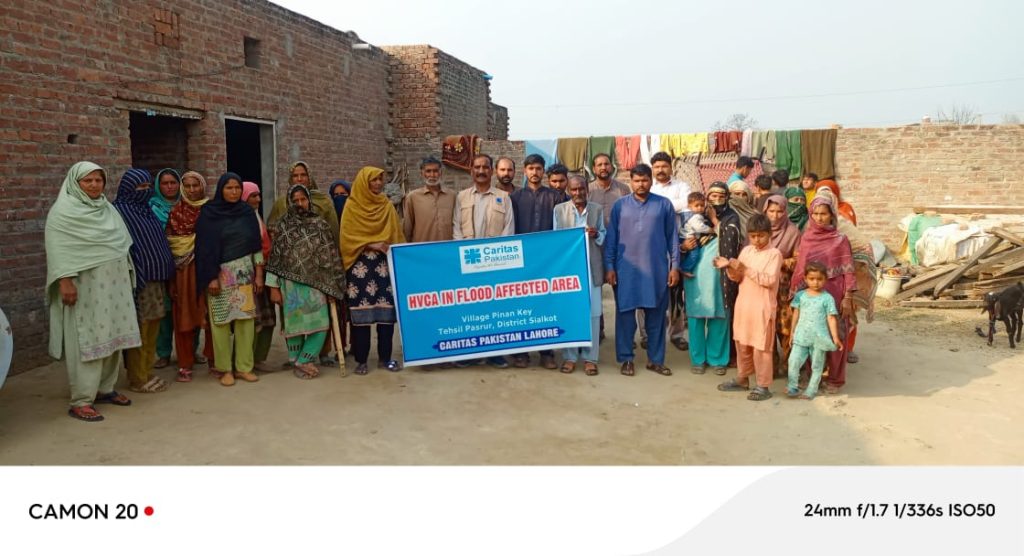
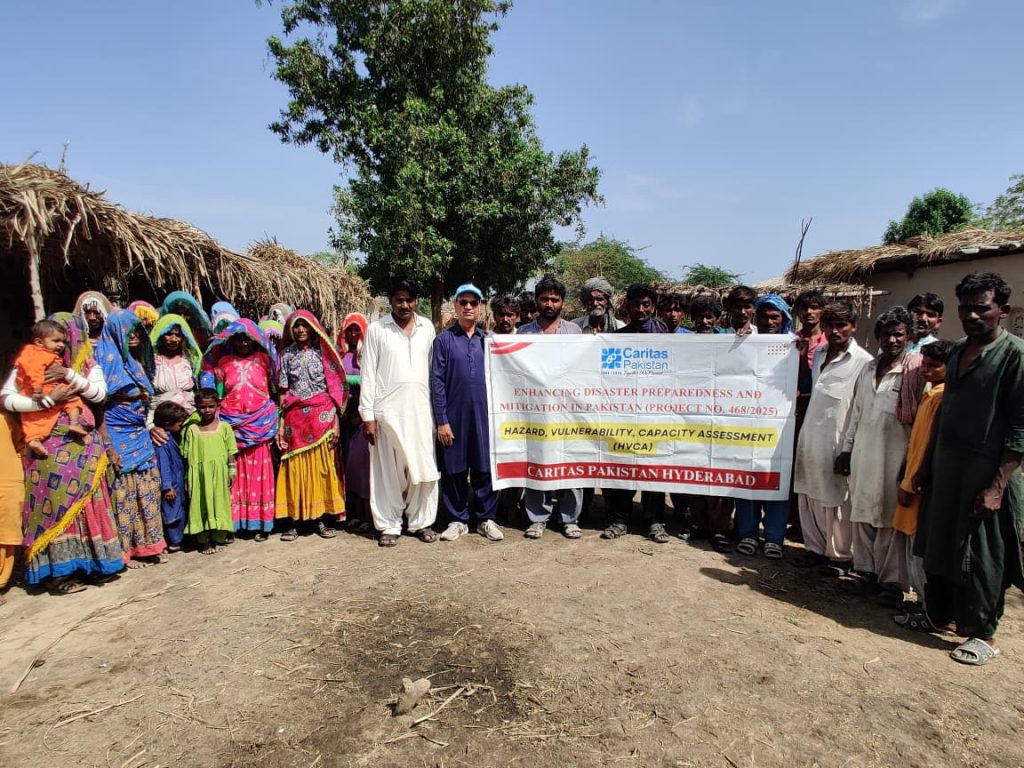
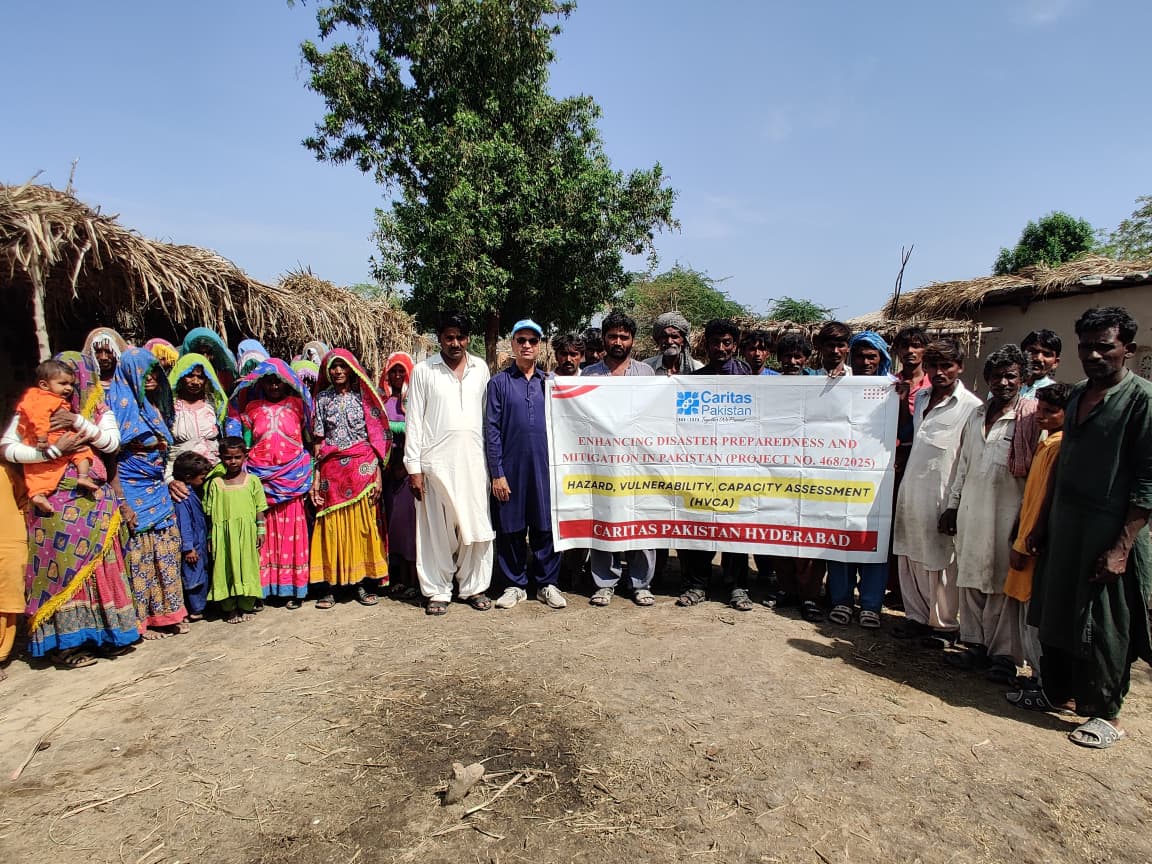
Caritas Pakistan continues to respond every year to floods and other climate-related disasters across the country through its well-established Disaster Risk Reduction (DRR) and emergency response programs. Working at both national and diocesan levels, the organization focuses not only on immediate relief but also on strengthening community preparedness before disasters strike. In 2026, Caritas Pakistan is actively conducting local and diocesan-level trainings, community awareness sessions, and capacity-building workshops to equip volunteers and vulnerable communities with skills in early warning, evacuation planning, first aid, and emergency response. These efforts are aimed at strengthening local resilience so that communities can losses during floods, heatwaves, and other climate-related emergencies.