Pakistan Monsoon Floods 2026: Latest Situation and Impact
-
by
Faeq Rashid
 Faeq Rashid
- Pakistan’s 2026 monsoon, which began on 26 June, has caused widespread heavy rainfall, flash floods, cloudbursts, landslides, and glacial-related flooding across the country.
- The upper northern areas have been among the worst affected. Astore, Diamer, Ghanche, Chitral, Buner, Shangla, Swat, and Neelum Valley have experienced flash floods, landslides, and damage to roads, bridges, irrigation systems, houses, and agricultural land. In Chitral, flash floods and glacial lake outburst activity have damaged connectivity routes and isolated communities.
- Punjab has also faced severe flooding, particularly in Sheikhupura, Muridke, Gujranwala, Narowal, Sambrial, Pasrur, and Ferozewala. Around 400 sq. km of land has been inundated, while 94 villages were affected along the Lahore–Gujranwala corridor. More than 1,200 houses were damaged, around 43,188 acres of land were inundated, including approximately 25,000 acres of basmati rice crops, and hundreds of people and livestock were evacuated.
- Southern Punjab districts, including Layyah, Bhakkar, Kot Addu, Vehari, Khanewal, Rahim Yar Khan, Multan, Muzaffargarh, Dera Ghazi Khan, Rajanpur, Lodhran, and Bahawalpur, have also experienced moderate to heavy rainfall, resulting in flooding, transport disruptions, and crop damage. Urban areas around Rawalpindi have additionally experienced drainage overflow, with two to three feet of water entering homes and shops in several localities.
- The monsoon has resulted in 155 deaths, 460 injuries, damage to 1,341 houses, and the loss of 580 livestock, in addition to substantial damage to crops, roads, bridges, irrigation systems, and other public infrastructure.
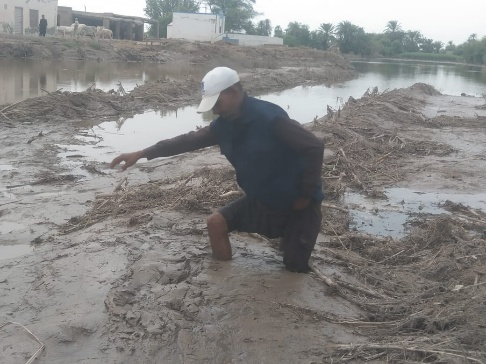
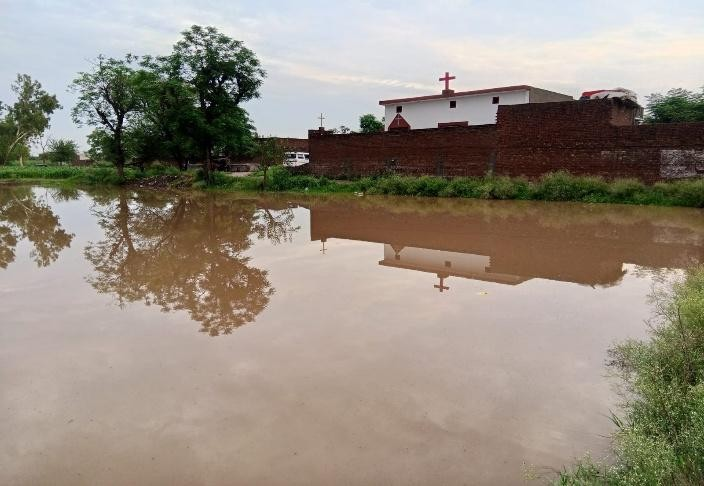
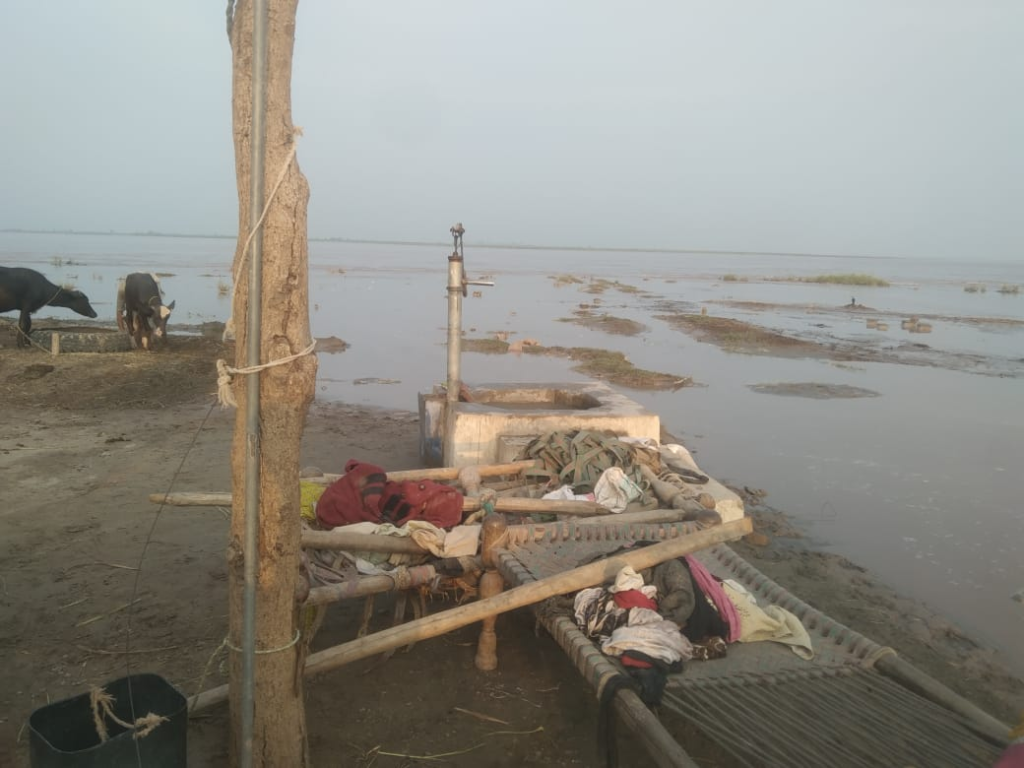
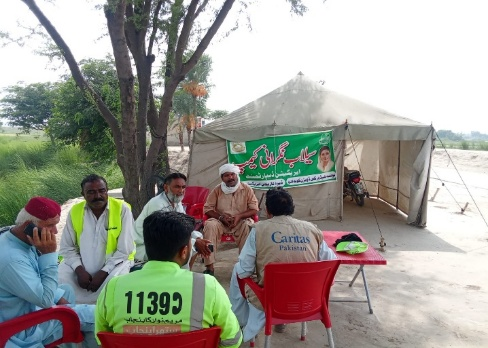
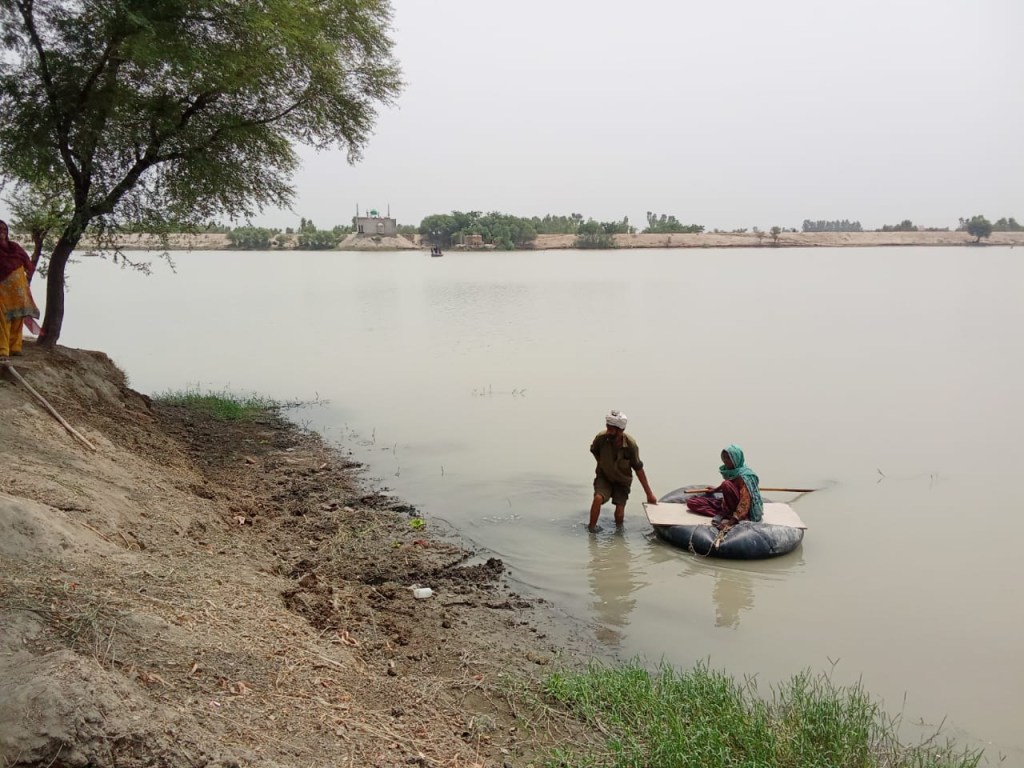
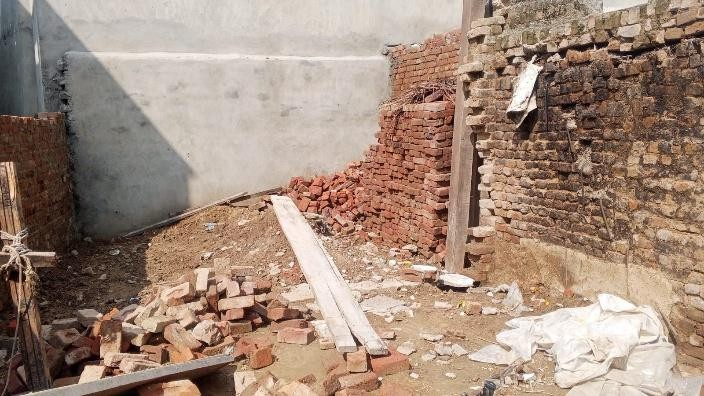
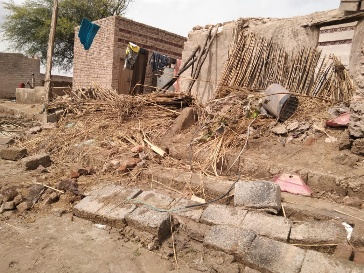

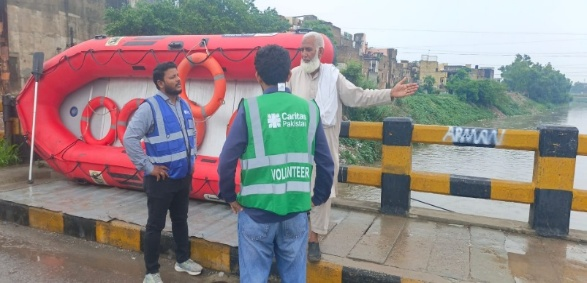
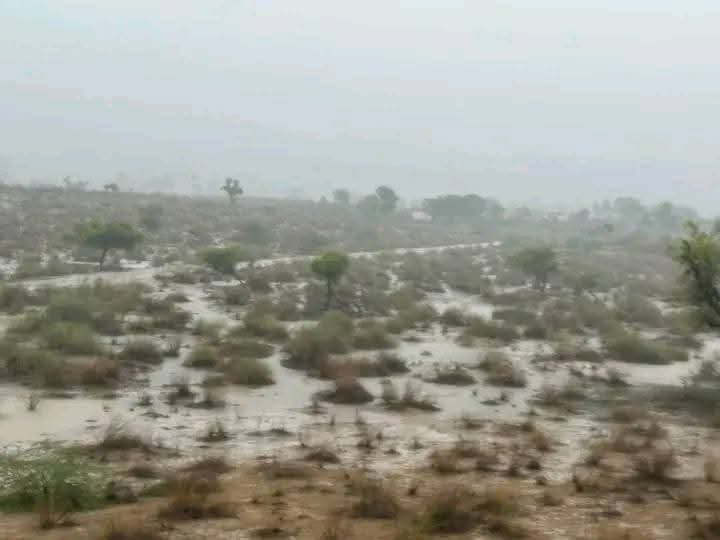
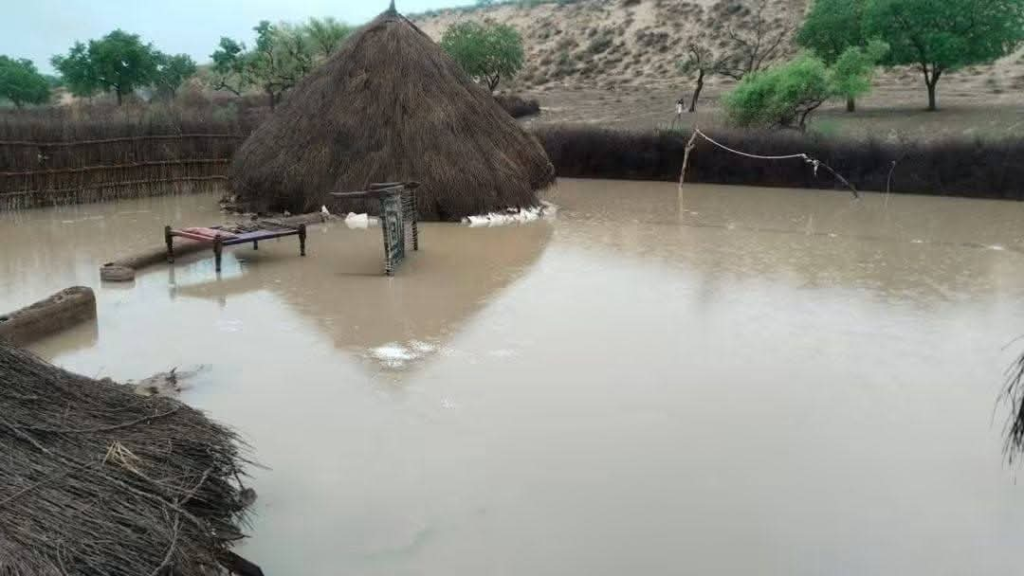
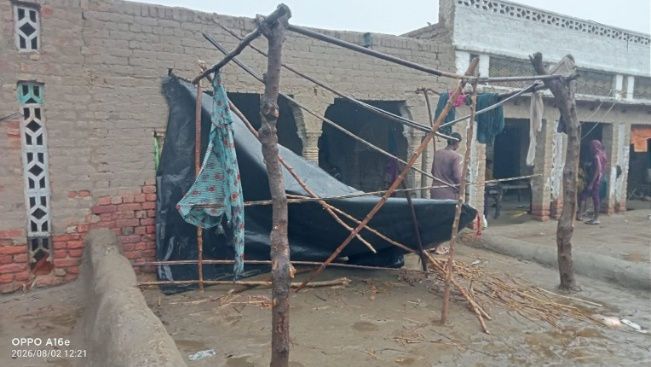
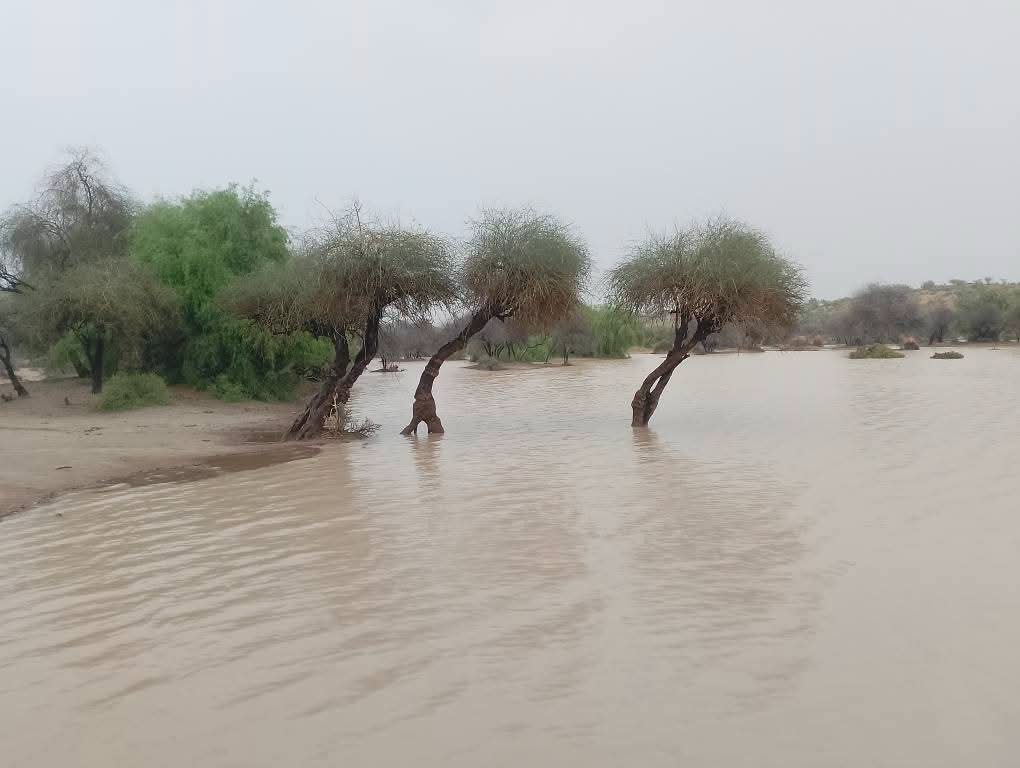
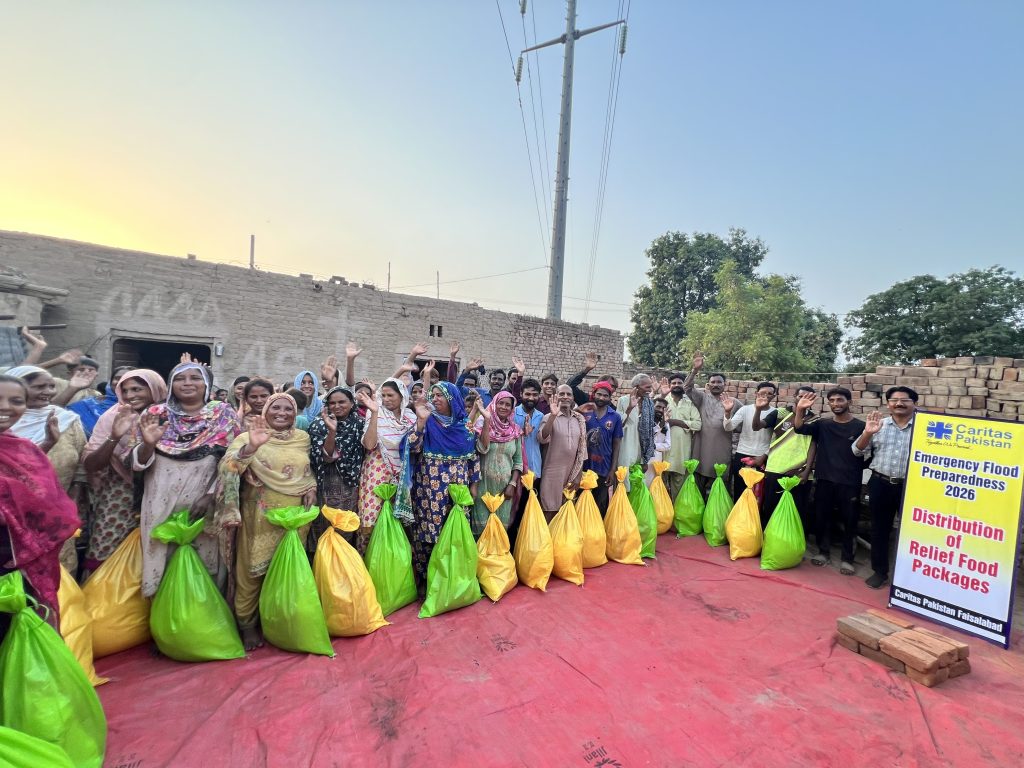
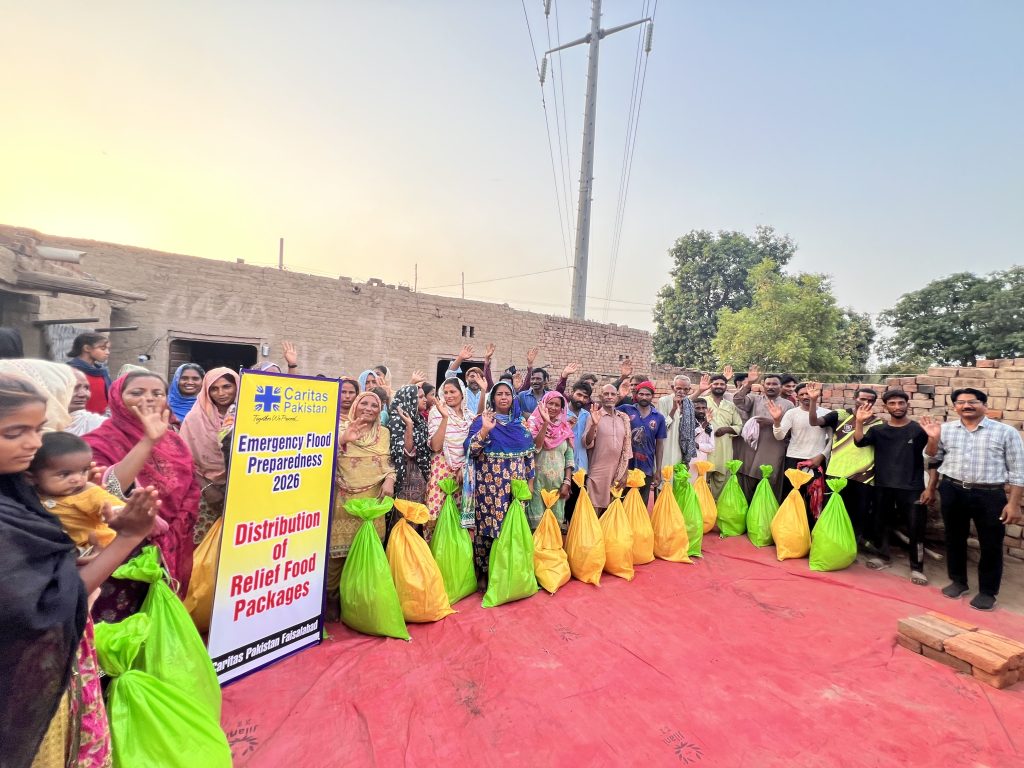
Flood Situation in different areas shared by Caritas Pakistan Multan, Hyderabad, Faisalabad , Lahore, Islamabad-Rawalpindi
– Photo Source: Caritas Pakistan

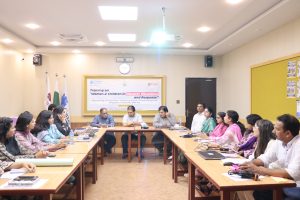
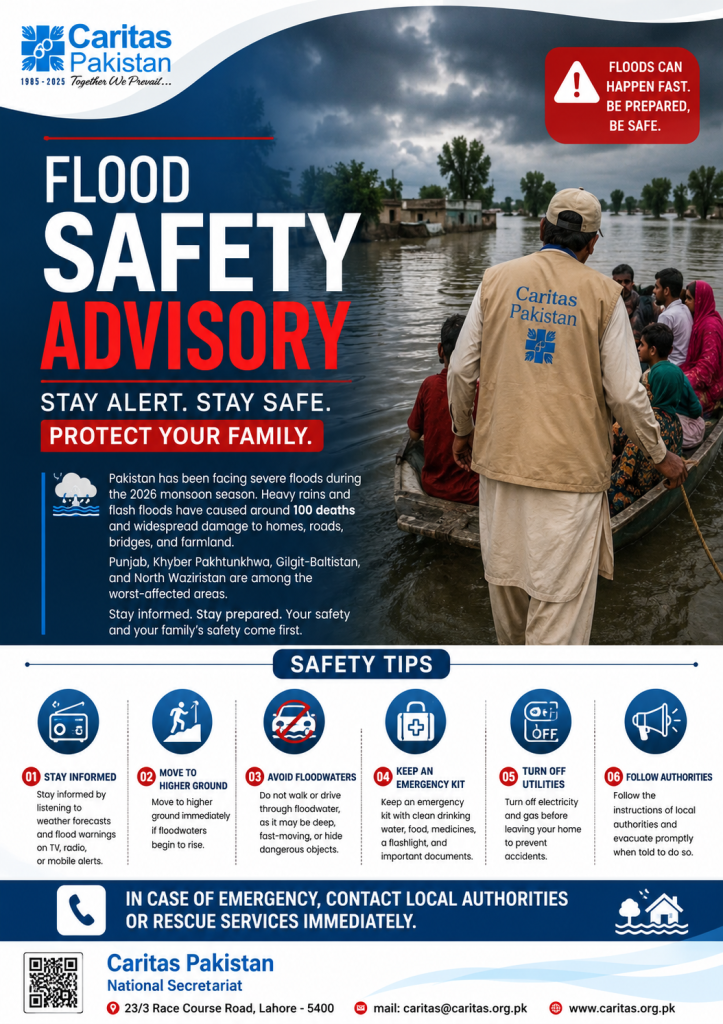
- Caritas Pakistan, along with its diocesan units, is responding to flood emergencies by reaching out to affected communities and providing timely humanitarian support. Regular online coordination meetings are also being held with diocesan teams to share updates, review assessment findings, and plan response activities based on the changing humanitarian situation. As part of its preparedness efforts, Caritas Pakistan conducted a Monsoon Contingency Planning Meeting to review the evolving weather situation, strengthen coordination, and enhance emergency preparedness measures. The organization has emphasized the importance of early warning systems, community preparedness and inclusive disaster planning, particularly for vulnerable groups such as women, children, elderly people and persons with disabilities.
- The teams are working on the ground to assist vulnerable families through relief activities and ensure that their immediate needs are addressed. Caritas Pakistan is supporting flood-affected families by providing medical camps where people receive health check-ups, medicines, and basic treatment.
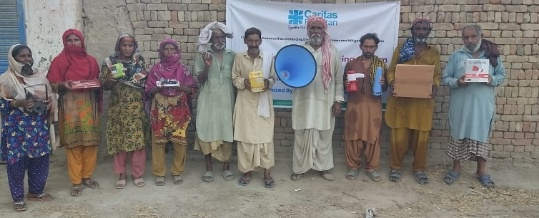

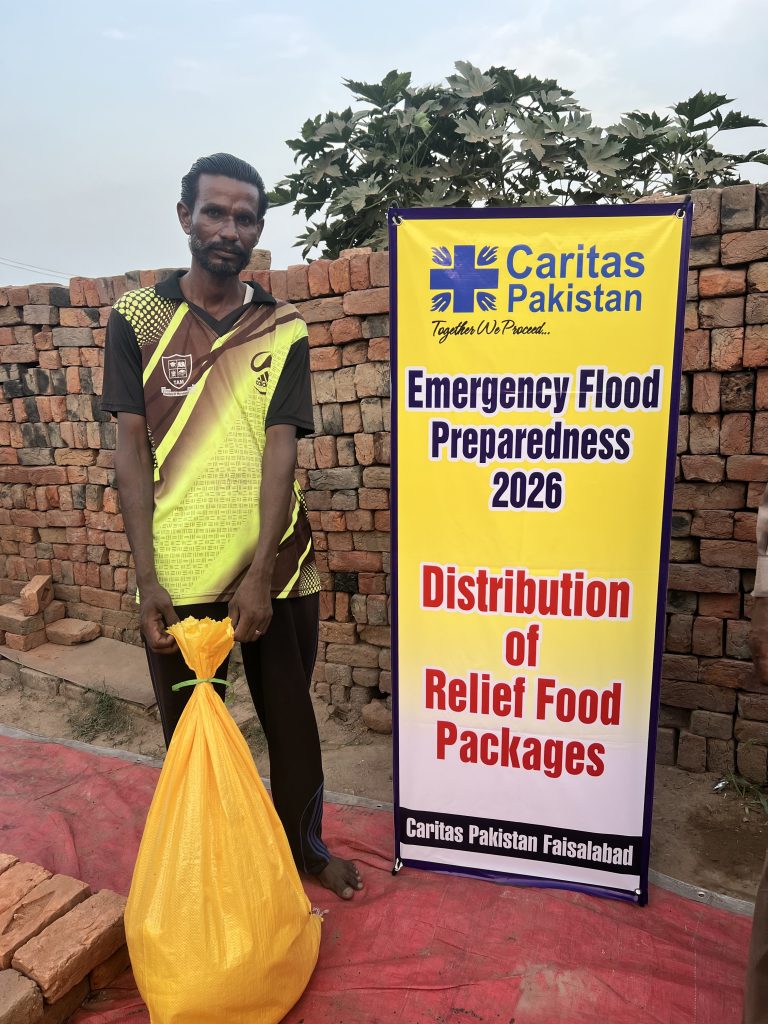
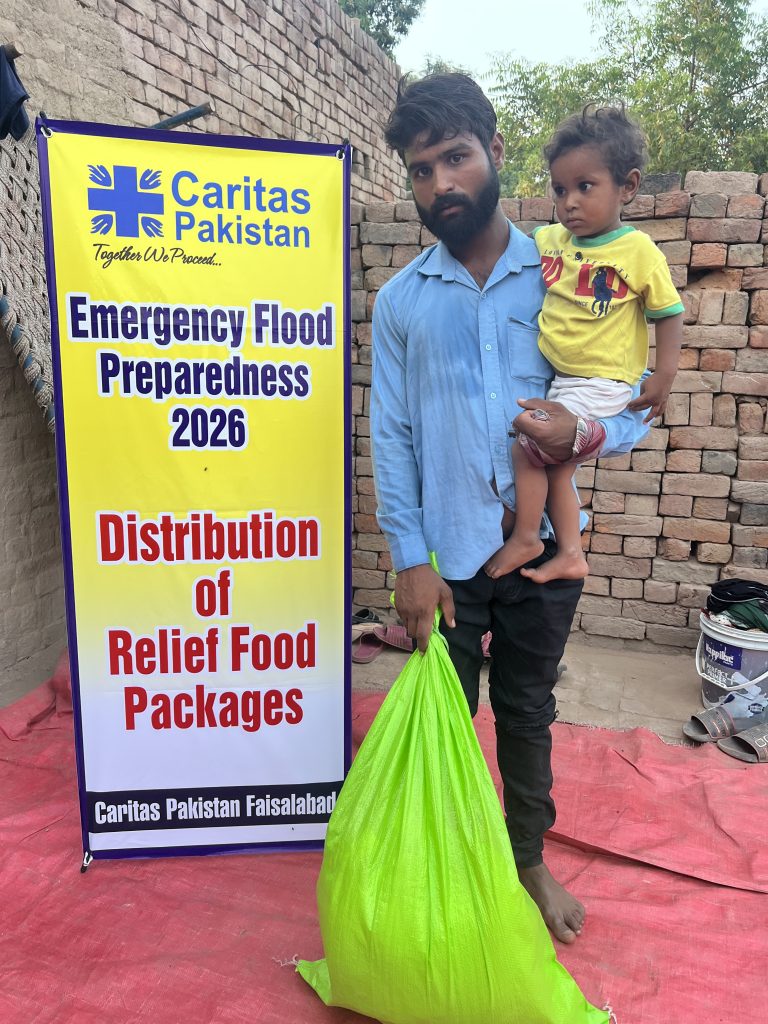
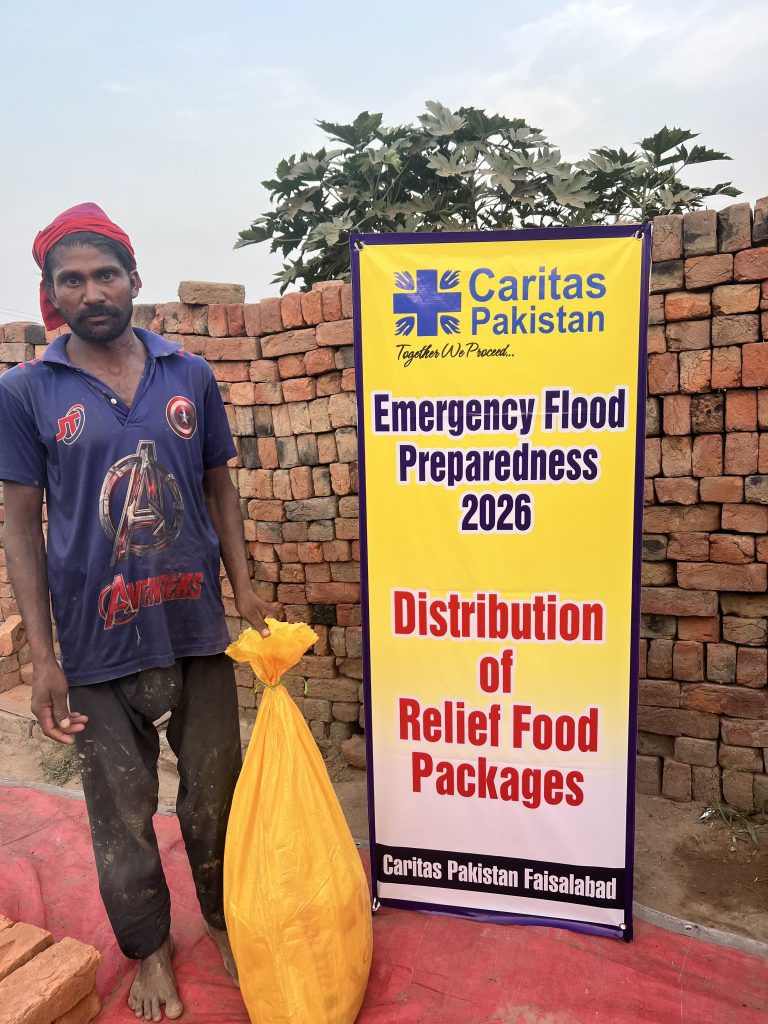
Food packages are also being distributed among affected communities to help families meet their daily food needs during this difficult time. Along with emergency assistance, Caritas Pakistan is raising flood awareness among communities and supporting people during evacuation by guiding and helping them move to safer places. These efforts aim to reduce the impact of floods and provide timely support to vulnerable families.