Wheat Crop Damage in Pakistan Due to Extreme Weather (2026)
 Faeq Rashid
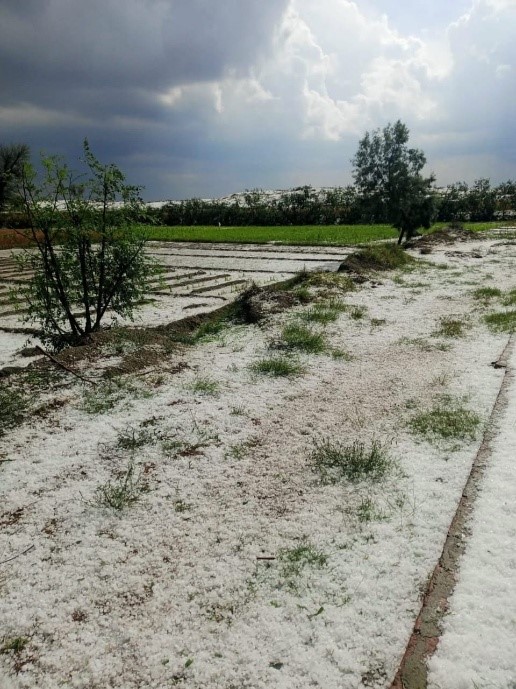
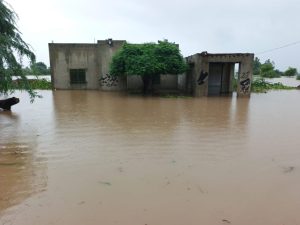
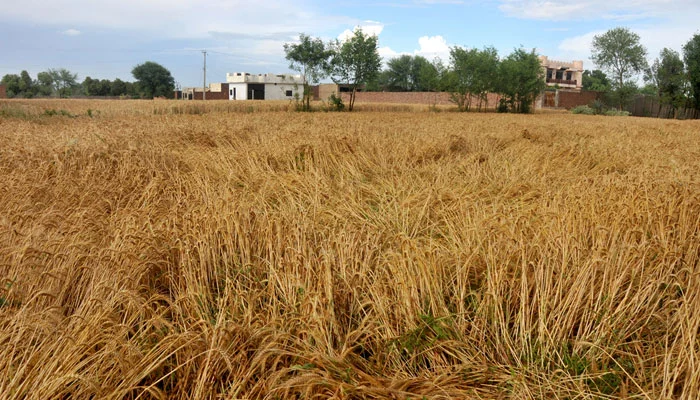
Pakistan’s wheat crop has suffered widespread and severe damage due to unseasonal heavy rainfall, hailstorms, strong winds, and flooding across major agricultural provinces, including Punjab, Sindh, Balochistan, and Khyber Pakhtunkhwa. The most affected districts in southern Punjab include Multan, Muzaffargarh, Kot Addu, Layyah, Dera Ghazi Khan, Lodhran, and Khanewal, while the Faisalabad region has also experienced significant flooding and crop submergence.
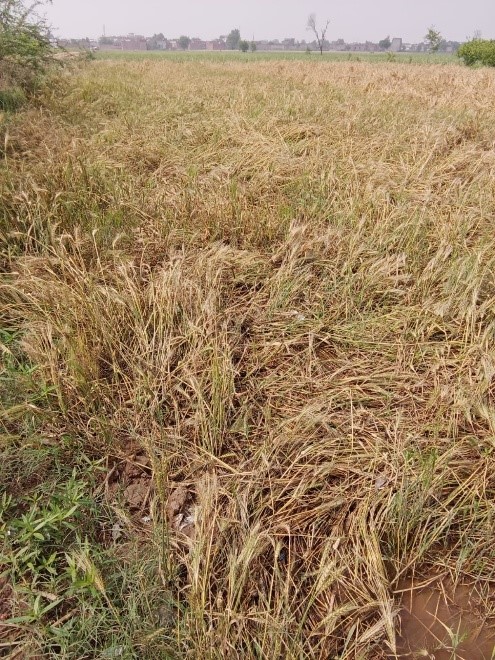
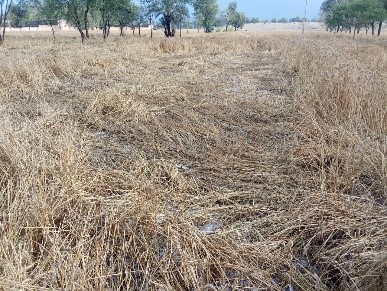
The extreme weather struck at a critical stage when the wheat crop was nearing harvest, disrupting the final ripening process and raising serious concerns among farmers regarding both production levels and profitability. In Sargodha and surrounding areas, local growers reported that hailstorms and strong winds caused widespread lodging of crops, making harvesting difficult and reducing grain quality. As one flood-affected farmer stated, “Our crop was ready for harvest within days, but the rain and hail have laid it flat.”
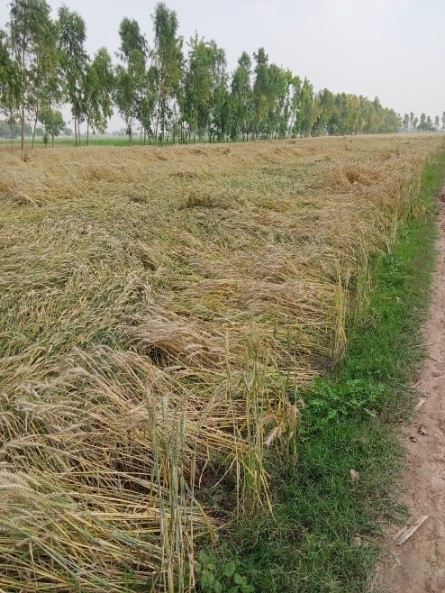
In addition to wheat losses, heavy rainfall has severely impacted tomato and vegetable crops, with reports indicating up to a 40% loss due to fungal diseases and water damage. Punjab, particularly its key agricultural belt, is bearing the brunt of these weather-related impacts.
The damage extends beyond crops to critical agricultural infrastructure, including electricity supply lines and solar-powered irrigation systems, further disrupting farming activities. Transportation networks and local market operations have also been affected, creating logistical challenges during the harvest period and limiting farmers’ ability to sell their produce.
Farmers are now in urgent need of support for harvesting and storage, including tarpaulins, drying facilities, and appropriate machinery. Wet crops cannot be effectively harvested or processed and are at high risk of rotting if not properly managed, which could lead to further economic losses.