Empowering Communities: Enhancing Disaster Preparedness and Mitigation in Pakistan 2026
-
by
Faeq Rashid
 Faeq Rashid
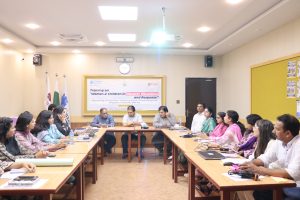
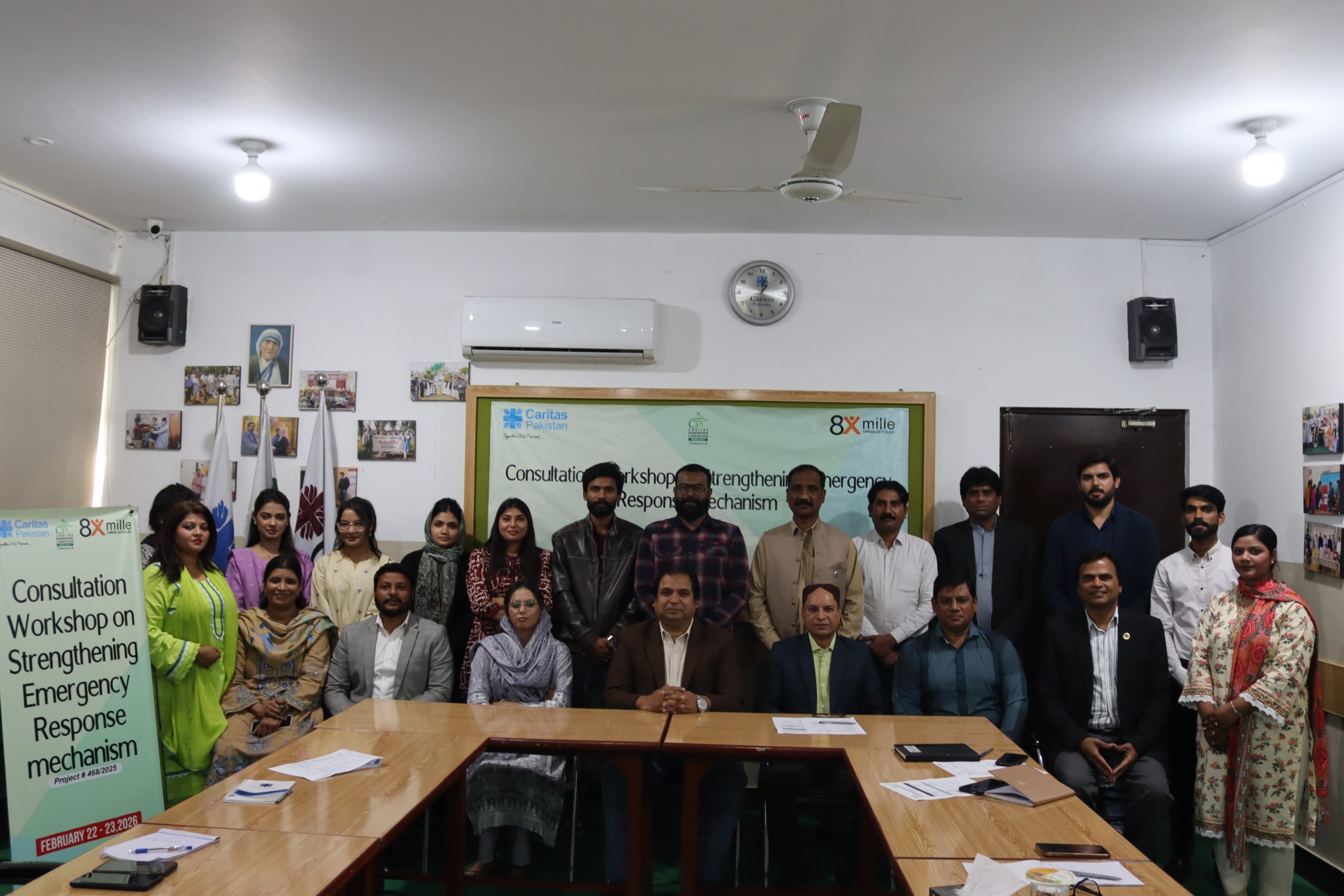
Caritas Pakistan organized a two-day consultation workshop on “Strengthening the Emergency Response Mechanism” on 22–23 February 2026 at the Caritas Pakistan National Secretariat (CPNS). The workshop was held under the project “Empowering Communities: Enhancing Disaster Preparedness and Mitigation in Pakistan” , which aims to strengthen disaster preparedness and resilience in vulnerable and flood-prone communities across Pakistan.
Representatives from various diocesan units participated in the consultation and shared updates on Disaster Risk Reduction (DRR) activities being implemented in their target areas. Participants discussed the status of community-level DRR committees, preparedness initiatives, and volunteer mobilization efforts. They also highlighted key challenges faced during project implementation, including gaps in emergency coordination, the need for faster communication during disasters, and the importance of maintaining accurate and updated data through the Disaster Information Management System (DIMS).
During the workshop, diocesan teams presented information about the risk profiles of their areas, beneficiary targeting mechanisms, and the role of volunteers in community preparedness and emergency response. The discussions emphasized the importance of strengthening coordination between the national and diocesan levels to ensure an effective and timely response during emergencies.


Mr. Amjad Gulzar, Executive Director of Caritas Pakistan, emphasized that ‘Disaster preparedness requires strong coordination, reliable data, and clear communication mechanisms. He also stressed the importance of inclusive planning that considers the needs of vulnerable groups such as women, children, the elderly, and persons with disabilities.’
The workshop also reviewed project implementation guidelines, monitoring and reporting mechanisms, and strategies to improve communication between communities, diocesan units, and the national office. Participants discussed the importance of strengthening volunteer networks, conducting refresher trainings, organizing simulation drills before the monsoon season, and improving emergency stock management to ensure better preparedness for future disasters.
The workshop concluded with a group activity in which participants developed action plans for Phase I and Phase II of the project. The consultation resulted in clearer emergency response procedures, improved coordination between diocesan units and CPNS, and a stronger commitment to enhancing disaster preparedness at the community level.