Situation Update of Rains and Flood 2026 in Pakistan
-
by
Faeq Rashid
 Faeq Rashid
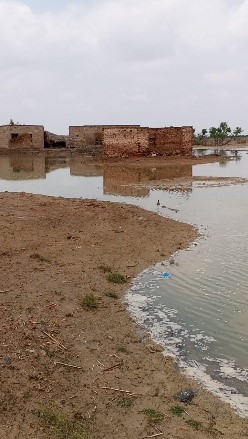
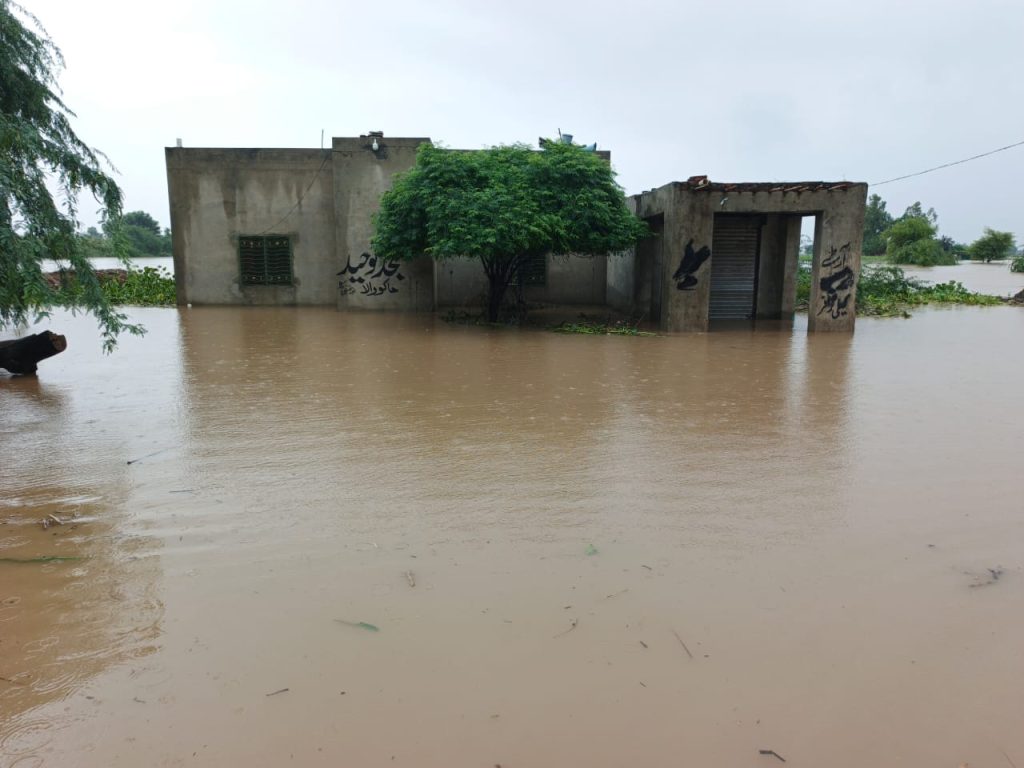
Pakistan is still struggling to recover from the devastating floods of 2022, which caused more than 1,700 deaths and affected over 33 million people. Since then, the country has continued to face recurring flood events almost every year, leaving communities trapped in a cycle of damage and slow recovery. In 2025, severe monsoon rains again triggered widespread flooding, causing more than 900 deaths and extensive destruction across multiple provinces. This repeated pattern shows how vulnerable many areas remain, with insufficient time and resources to fully recover before the next disaster strikes.
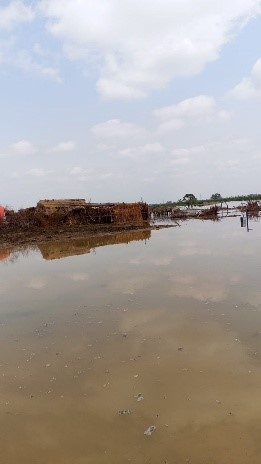
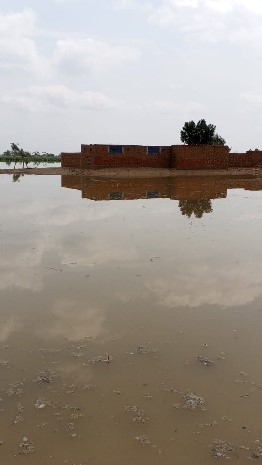
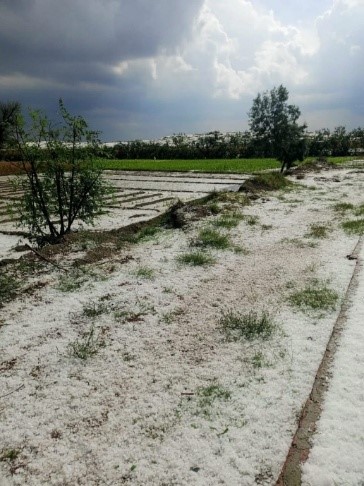
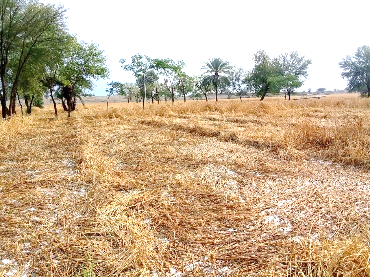
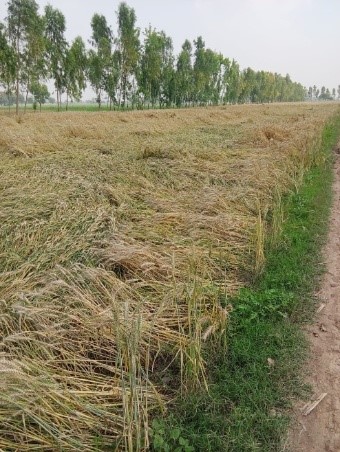
Looking ahead to 2026, Pakistan is once again on alert as experts and authorities warn that the coming monsoon season could be even more intense. Rising temperatures, changing climate patterns, and increasingly unpredictable rainfall are making extreme weather events more likely. As a result, the risk of heavier floods, stronger storms, and greater agricultural losses is rising. One of the most serious concerns is the damage to the wheat crop, which has already suffered widespread destruction due to unseasonal heavy rainfall, hailstorms, strong winds, and flooding across major agricultural provinces, including Punjab, Sindh, Balochistan, and Khyber Pakhtunkhwa. The worst-affected districts in southern Punjab include Multan, Muzaffargarh, Kot Addu, Layyah, Dera Ghazi Khan, Lodhran, and Khanewal, while the Faisalabad region has also experienced significant flooding and crop submergence. Because the extreme weather struck at a critical stage when the wheat crop was nearing harvest, it disrupted the final ripening process and raised serious concerns among farmers about both production levels and profitability.


According to meteorological forecasts, from 16th – 19th April, upper and central parts of the country including Khyber Pakhtunkhwa, Gilgit-Baltistan, Azad Kashmir, Punjab, and Islamabad may experience heavy rainfall, gusty winds, and hailstorms during the current spell. Authorities have warned that vulnerable areas could face urban flooding, landslides in hilly regions, and disruption to daily life if the intensity of rainfall increases.
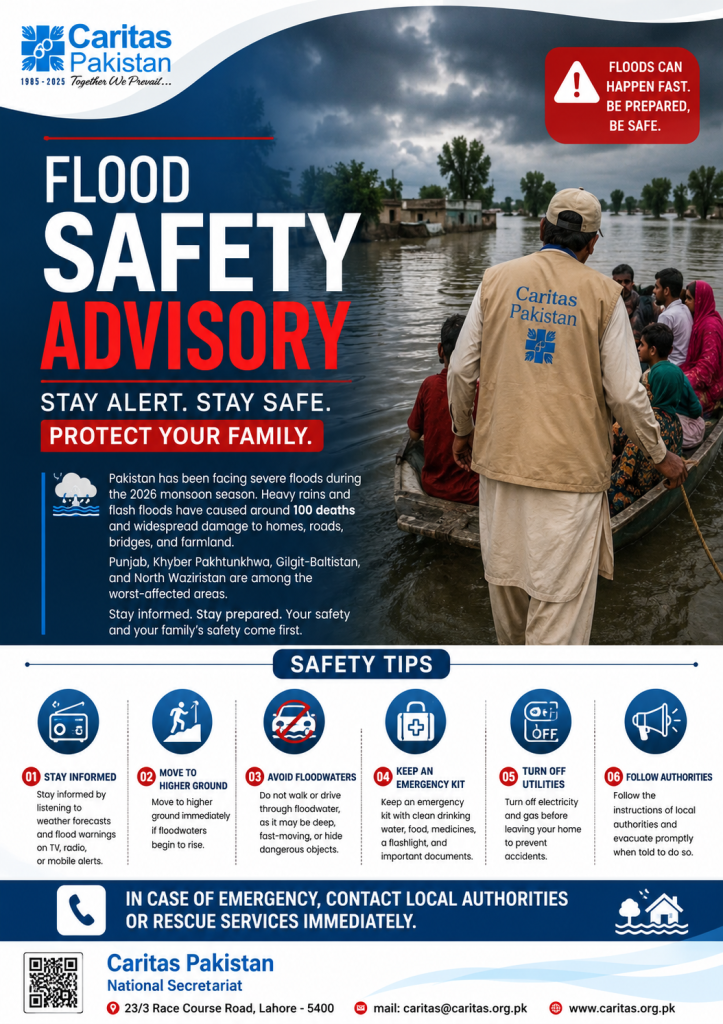
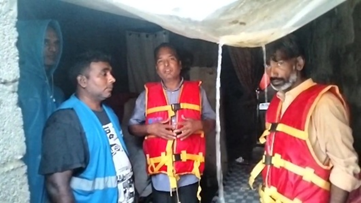
Caritas Pakistan has played a significant humanitarian role in responding to flood emergencies across the country.
Key Contributions:
- Emergency Relief: Distribution of food, clean water, tents, and hygiene kits to flood-affected families
- Medical Support: Provision of healthcare services and mobile clinics in remote and underserved areas
- Shelter Assistance: Construction of temporary shelters for displaced communities
- Livelihood Support: Helping families recover through agriculture inputs, small business support, and cash assistance
- Community Resilience: Training communities in disaster preparedness and climate adaptation
Caritas works closely with local communities, government agencies, and international partners to ensure timely and effective relief operations, especially in vulnerable regions

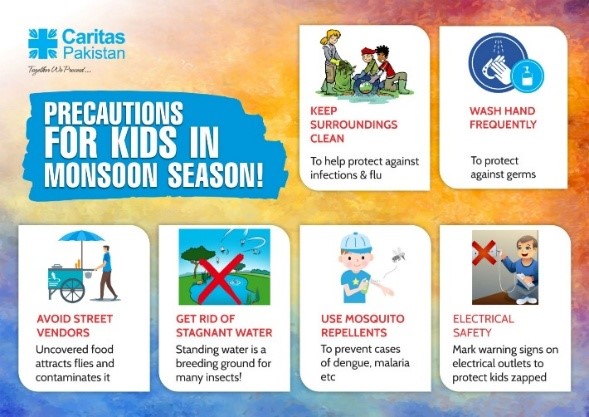
Rains and Flood Situtaion 2026