Caritas Pakistan Flood Situation Update 26 August 2025
 Faeq Rashid
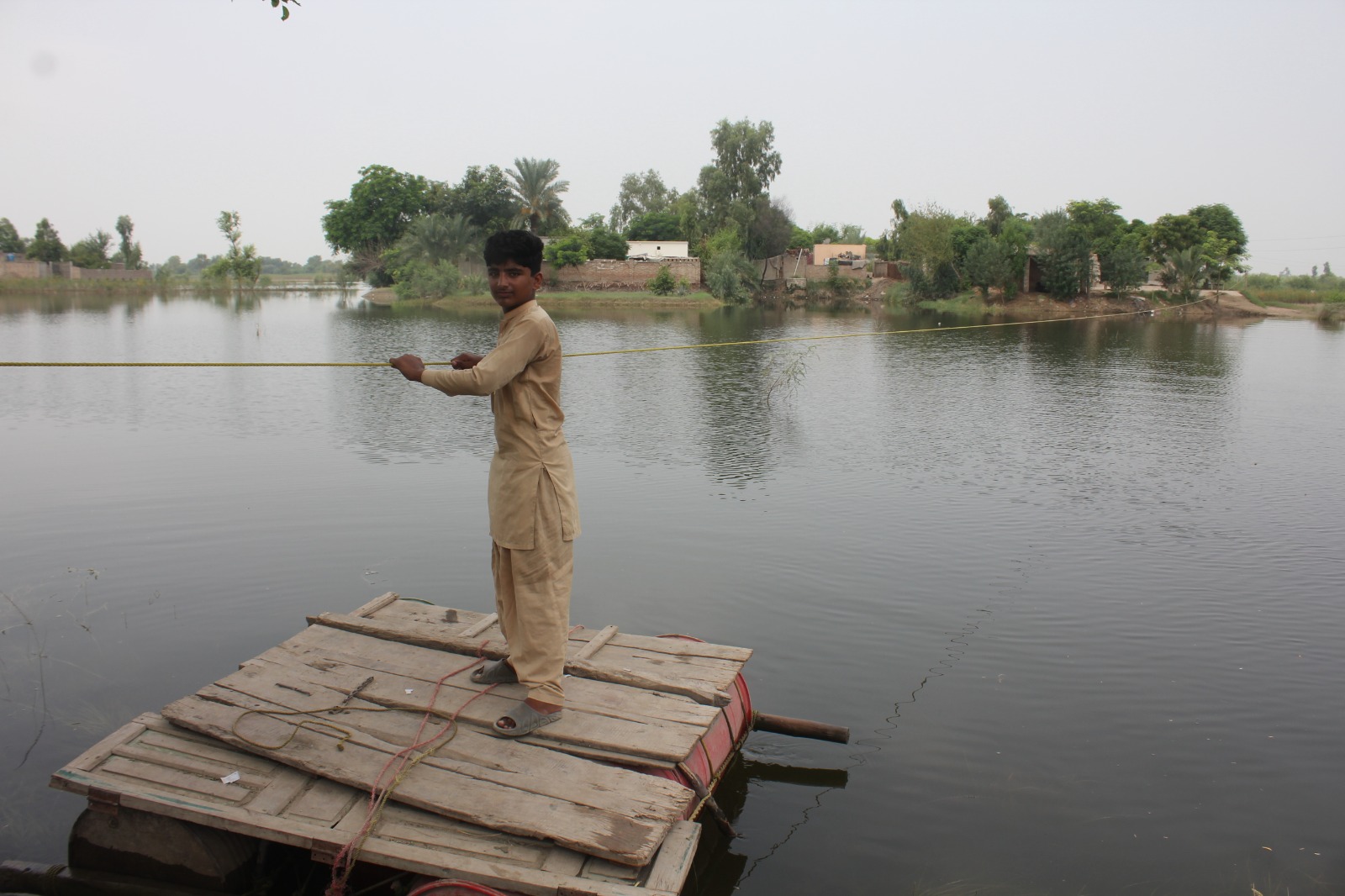
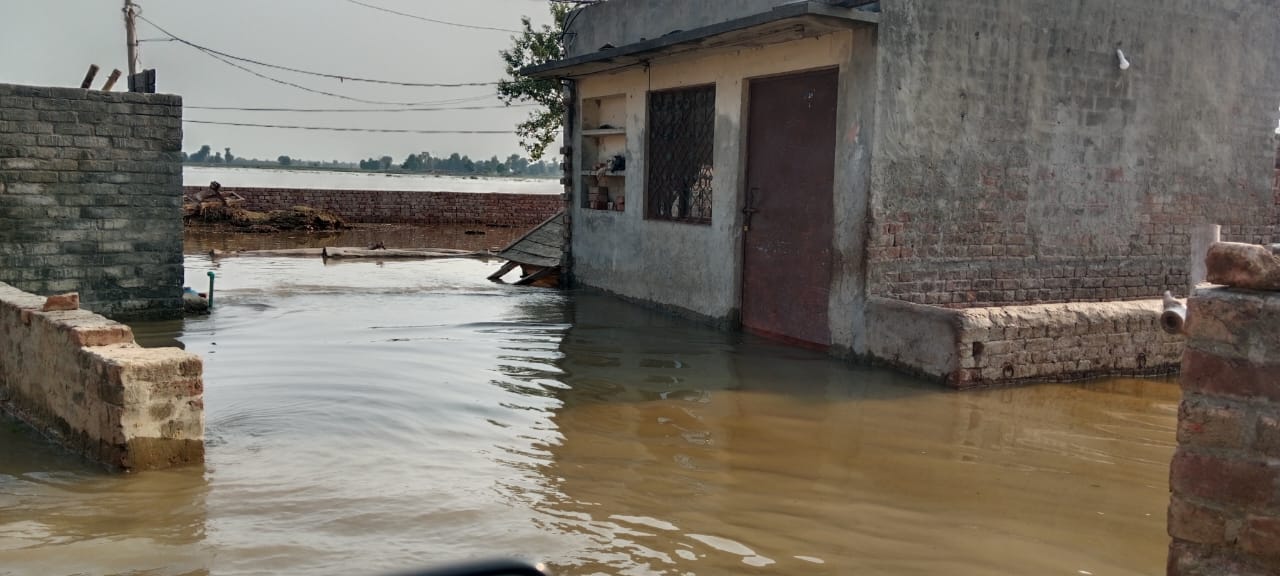
Pakistan is facing a worsening flood situation as heavy monsoon rains, water releases from Indian dams, and glacier-related floods continue to cause damage in several regions. In Punjab, authorities remain on high alert as the Sutlej, Ravi, and Chenab rivers rise. In Kasur, the Sutlej has reached extremely high flood levels, with flows exceeding 200,000 cusecs and continuing to rise. The Ravi has overflowed at Jasar with more than 142,000 cusecs of water, while Shahdara is experiencing a lower but steady flood. Nearly 150,000 people have been moved to safer Health facilities, which are under severe pressure as cases of fever, malaria, skin infections, and snake bites rise sharply. NDMA has warned that the Sutlej is expected to reach exceptionally high flood levels within 48 hours, especially at Ganda Singh Wala and downstream.
In Khyber Pakhtunkhwa, northern districts continue to suffer heavily. Buner and Shangla alone have reported 479 deaths. More than 4,000 houses have been damaged, including 861 that were destroyed, while 674 schools have also been affected. Landslides and destroyed bridges are cutting off access to many areas, delaying relief efforts and leaving urgent needs for debris clearance, safe water, health services, and livelihood support.

Gilgit-Baltistan is also struggling with glacier lake outburst floods. On 22 August, a major flood in Ghizer damaged 211 houses and killed nine people. In Diamer, another nine people died and 408 houses were damaged. Water supply systems, irrigation channels, bridges, and small power stations have been badly hit, showing the urgent need for recovery and long-term resilience support.
Weather forecasts indicate that the monsoon system will remain active until at least 10 September. Very heavy rainfall is expected in the upper catchments of the Sutlej River over the next two days, which, together with dam releases from India, could cause extremely high floods downstream. Heavy rain is also expected in eastern Punjab, Khyber Pakhtunkhwa, Azad Jammu and Kashmir, Gilgit-Baltistan, and parts of Sindh.
Pakistan is dealing with a complex emergency where river floods, flash floods, and glacier-related hazards are all happening at the same time. Immediate priorities include continued evacuation from high-risk areas, expanded health and WASH support, and urgent measures to protect lives and livelihoods. The coming 48 hours will be especially critical for Punjab as floodwaters rise further.
Response of Caritas Pakistan
Caritas Pakistan Emergency Response Teams (ERTs) are on the ground across the country, reaching out to communities affected by the floods. Teams are visiting the most impacted areas to meet with families, listen to their needs, and provide immediate support where possible. In close coordination with local authorities and community leaders, Caritas staff are actively engaged in assessing the situation and identifying the most urgent needs. This assessment will guide the next phase of Caritas’s flood relief planning to ensure timely and effective assistance for the affected people.